TL;DR
- Meta removed one capability, not the whole model: the ability to @-mention a public Instagram account and generate images from that person’s photos.
- The feature launched with Muse Image on 7 July 2026 and was pulled on 10 July, three days later.
- The trigger was default opt-in: every adult public Instagram account was automatically enrolled, with no notification when someone generated an image using their likeness.
- SAG-AFTRA called anything short of a clear, conspicuous opt-in “unacceptable, and an utter miscalculation of public sentiment.”
- Talent agency CAA called the rollout irresponsible, and Public Citizen described it as an “egregious invasion” of privacy.
- Meta said the feature “missed the mark” and was no longer available, framing the removal as a response to user feedback.
- Opting out only prevented future generations — images already created remained in circulation, and switching an account to private was the strongest available protection.
- Muse Image itself stays live across Meta AI, Instagram, and WhatsApp, along with Content Seal watermarking and 30-plus Instagram Stories effects.
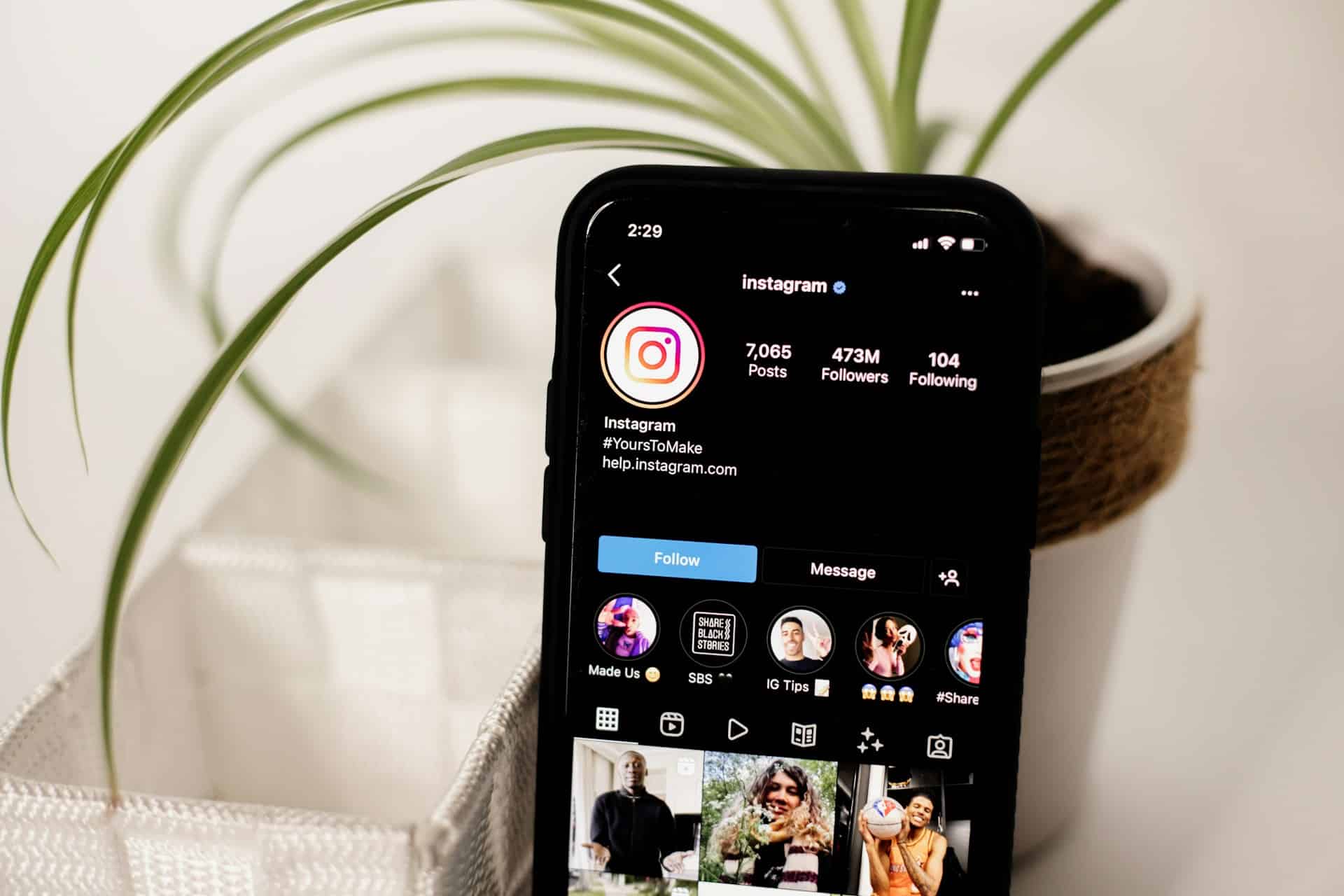
Instagram on a smartphone screen. Image credit: Unsplash
Meta axed the feature because it opted people in by default. When Muse Image launched on 7 July 2026, anyone could type an @-mention of a public Instagram account into a prompt and generate new images built from that account’s photos. Every adult public account was enrolled automatically. Nobody was notified when their likeness was used. Three days later, on 10 July, Meta removed the capability.
Two clarifications matter, because headlines blurred them. Meta did not kill Muse Image — the model remains live inside Meta AI, Instagram, and WhatsApp, and Meta continues to describe its other capabilities on the same launch page it updated. And the objection was never to AI image generation as such; it was to consent architecture. A tool that produces images of identifiable people using photos those people never agreed to supply is a different product from a tool that edits your own pictures, and the reaction treated it that way.
The features function
Muse Image was the first image generation model built by Meta Superintelligence Labs, replacing technology Meta had previously licensed from Midjourney and Black Forest Labs. It generates agentically rather than mapping prompts straight to pixels: it searches the web to ground images in current facts, writes and executes code for tasks like QR codes and data plots, and critiques its own drafts before delivering. At launch it ranked second on the Arena image leaderboard.
The disputed capability was one entry in a longer feature list Meta labelled as rooting generation in a user’s own world. Alongside sketch-and-instruction editing, multi-photo blending, and preset prompts, users could reference public Instagram accounts inside a prompt and have the model pull that account’s photos into a new image. Reporters testing the tool successfully generated images of people they had never followed or interacted with.
The opt-out that nobody could find
Meta’s position at launch was that people retained control, because an opt-out existed. In practice it sat several layers deep: Profile, then Menu, then Sharing and reuse, then switching off the Posts and Reels reuse settings under a heading about allowing people to reuse your content with AI features at Meta.
Three properties of that design drew the sharpest criticism. It was opt-out rather than opt-in, so silence counted as agreement. It was not retroactive – turning the setting off stopped future generations but removed nothing already made.
And it offered no notification, so a person had no way of knowing images of them existed unless they stumbled across them. Privacy advocates concluded that the only comprehensive protection was switching the account to private, which for creators, freelancers, and businesses whose public profile is their livelihood is not a real option.
The people with no setting at all
A quieter gap sat underneath the debate. The control belonged to the account holder, but photos routinely contain other people – friends, partners, and children who never posted anything and had no setting to change. Public accounts frequently feature minors who cannot consent in any meaningful sense. Nothing in the published record addressed how the feature treated people depicted in an account they did not run.
Who objected and what was said
The backlash arrived within a day and came from several directions simultaneously.
SAG-AFTRA, the union representing actors and media professionals, urged its members and all Instagram users to opt out, arguing that anything other than a clear and conspicuous opt-in for this use of people’s images was “unacceptable, and an utter miscalculation of public sentiment.”
Creative Artists Agency called the rollout irresponsible. Public Citizen described it as an “egregious invasion” of privacy. Privacy International framed it as another instance of AI companies treating people’s images as raw material.
Individual users amplified the point. Actor Hannah Einbinder, known for Hacks, posted that the feature had been switched on for her account automatically and encouraged others to disable it. Commentary on X described the setup as a privacy problem waiting to detonate, pointing to a documented pattern of harm from non-consensual AI image tools on other platforms.
Timeline of the reversal
| Date (2026) | Event |
|---|---|
| 8 April | Muse Spark launches as MSL’s first proprietary model |
| 7 July | Muse Image ships in Meta AI, Instagram Stories (US) and WhatsApp; Muse Video previewed; public-account @-mention feature live |
| 8–9 July | Criticism builds from users, privacy groups, SAG-AFTRA and CAA; opt-out instructions circulate widely |
| 9 July | Meta ships Muse Spark 1.1 and opens its first paid developer API |
| 10 July | Meta removes the public-account reference feature and updates its launch page |
| 11 July | SAG-AFTRA welcomes the removal as the responsible course of action |
| 13 July | Meta’s updated launch page still describes the model and its remaining surfaces |
What Meta said
The company’s statement was brief and framed the removal as responsive rather than corrective. Meta said its intent had been to provide a useful creative tool and to give people control over whether their public content could be referenced, then acknowledged that the feature “missed the mark” and was no longer available.
The strongest documentary evidence is Meta’s own updated launch page. A note at the top states the public-account reference feature is no longer available. Further down, the original section explaining how users could @-mention Instagram accounts remains visible. Meta did not say Muse Image had been withdrawn, and the narrower reading is the accurate one: one route was closed, the model and its other surfaces continued.
What remains unresolved
Several questions the public record does not answer. The exact moment the feature was disabled across Meta’s systems is not documented. Whether every affected user saw notice before or during use is unclear. How images generated before the removal were retained or shared has not been addressed.
Whether the account setting affected any use beyond reference generation is unstated. And whether the feature was formally withheld from the EU and EEA is unconfirmed – it was not reported as available there, but no statement establishes an exclusion.
Meta also relies on an opt-out approach for training its AI on European user data, invoking legitimate interests under GDPR, a position privacy group NOYB has challenged. The Muse Image episode fits that pattern rather than departing from it.
Why this matters beyond one feature
The episode crystallised the central governance fight of AI-generated imagery: whether people must opt out of having their faces used, or whether companies must obtain affirmative consent first. European data protection authorities issued a joint statement on 23 February 2026 raising exactly this concern about AI image and video generation embedded in widely accessible social platforms, with particular emphasis on harms to children and vulnerable groups.
Publishing a photo publicly does not obviously amount to licensing your face for synthetic reuse, and the speed of the reversal suggests Meta discovered that most people share that intuition. Adding protections only after complaints emerge exposes companies to legal, reputational and platform-governance costs that are far larger than the engineering cost of building the consent flow first.
For anyone running a public account, the practical step is verification rather than assumption: check your sharing and reuse settings directly, since Meta continues expanding AI features across Facebook, Messenger, WhatsApp and its other services, and Muse Video is still to come. The broader difficulty of telling authentic content from synthetic on social platforms is covered in our piece on identifying AI activity on social media.
Where it leaves Meta Superintelligence Labs
The removal landed in the middle of the busiest week the lab has had. Muse Image shipped on Tuesday, Muse Spark 1.1 and Meta’s first paid API on Thursday, the reversal on Friday. That compression tells you something about the pace Wang’s organisation is running at – and about the review process that pace leaves room for. The $15 billion reset of Meta’s AI effort bought speed. This episode is the bill for it.
Meta’s distribution advantage is genuine: billions of existing users mean a new model reaches people where they already post rather than asking them to adopt a new tool. That same advantage is what turns a consent design error into a problem measured in hundreds of millions of accounts within three days.
If you are interested in this topic, we suggest you check our articles:
- Meta’s $15B Bet on Scale AI: Why Data is the New Gold?
- How Simple is it to Identify AI Bots on Social Media?
- Claude Design: A Simple Introduction on How To Use It
- xAI vs OpenAI vs Anthropic: Which AI Lab Wins in 2026?
- 2026 AI Subscription Prices: Gemini vs ChatGPT vs Claude
Sources: Meta newsroom, TechCrunch, AI Business, TechRepublic, Malwarebytes, EDPS joint statement
Written by Alius Noreika