TL;DR
- SpaceX completed the largest IPO in history on June 12, 2026, pricing shares at $135 and raising about $75 billion at a $1.77 trillion valuation.
- The stock jumped 19% on its first session to close near $161, pushing the market cap above $2 trillion and briefly past Microsoft and Amazon.
- Shares peaked around $226 by June 16, then fell to roughly $155 by June 24, a drop of about 30% from the high amid a $600 billion swing in value.
- SpaceX posted $18.67 billion in 2025 revenue, $6.58 billion in adjusted EBITDA, and a GAAP net loss near $4.9 billion.
- Starlink is the only profitable segment, contributing about 61% of revenue at $11.4 billion, with 10.3 million subscribers.
- Analyst fair-value estimates ranged from Morningstar’s $63 to NewStreet’s $165, a spread that says more than any single number.
- The IPO priced SpaceX at over 100 times 2025 revenue, far above any aerospace or satellite peer.
- Whether the valuation is fair depends on belief in two unproven engineering bets: a rapidly reusable Starship and commercial data centers in orbit.
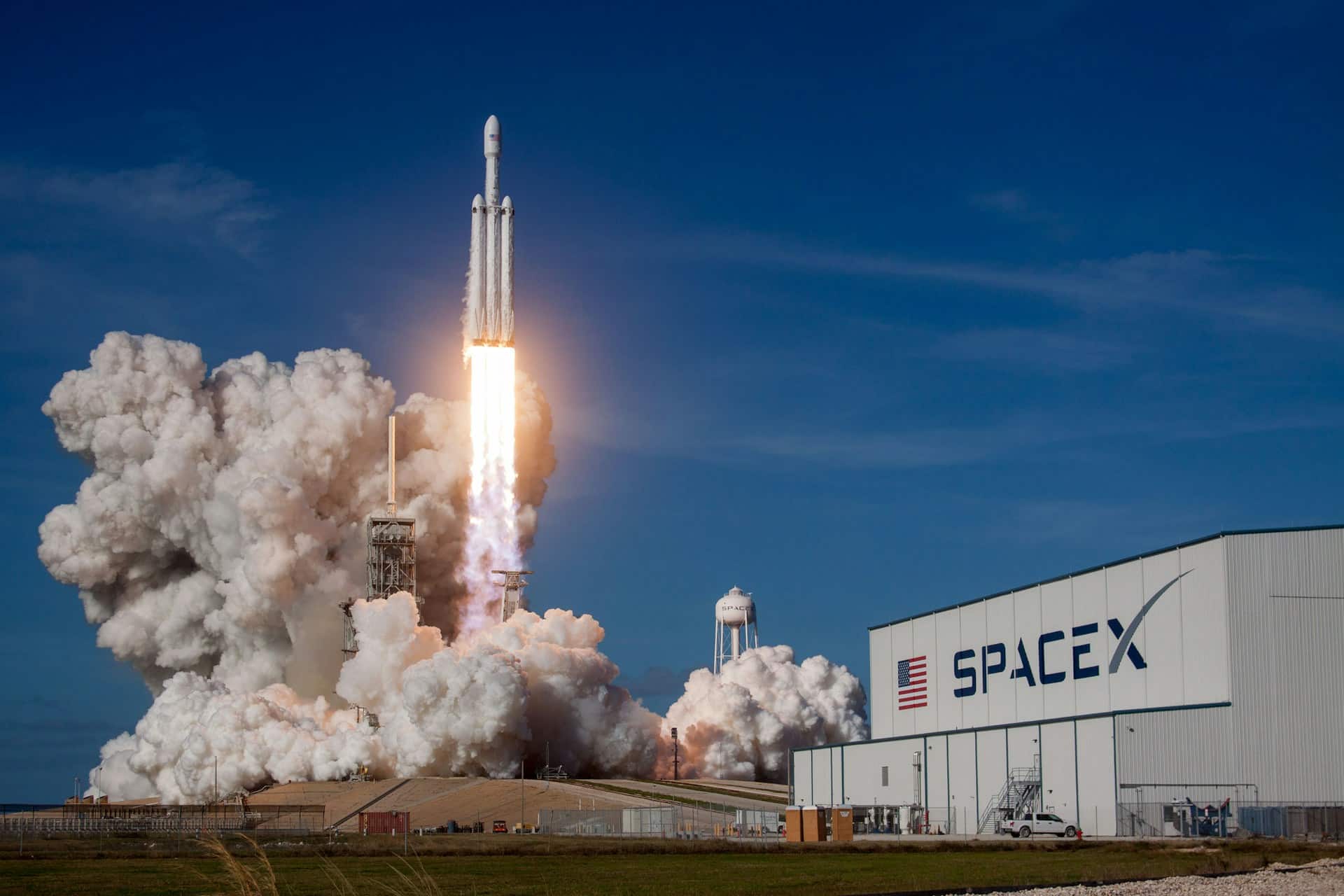
SpaceX rocket launch – illustrative photo. Image credit: SpaceX
SpaceX’s $1.77 trillion launch price was aggressive rather than fair in any conventional sense, and the market’s behavior since proves the point. The company priced its shares at a take-it-or-leave-it $135 on June 12, 2026, raised roughly $75 billion, and entered public trading as the most valuable Nasdaq debut ever recorded.
Within hours the stock ran to a close near $161, lifting the market capitalization above $2 trillion and, for a moment, past Microsoft and Amazon. That is not the trajectory of a sensibly priced offering. It is the trajectory of a scarce, heavily hyped asset that retail and institutional buyers competed to own.
The fairness question turns on what you are buying. At more than 100 times 2025 revenue, SpaceX trades at a multiple no aerospace or satellite company has carried.
The fundamentals beneath that price are mixed: real momentum in one division, heavy losses in others, and two long-dated engineering bets that the company’s own prospectus warns may never pay off. So the valuation is defensible only if you accept a 10-to-20-year horizon and a string of outcomes that have not yet happened.
What the numbers show us
SpaceX generated $18.67 billion in revenue in 2025 with adjusted EBITDA of $6.58 billion, but it still booked a GAAP net loss of nearly $4.9 billion, and its accumulated loss since 2002 sits at $41.3 billion.
The engine underneath is Starlink, which brought in about $11.4 billion, roughly 61% of revenue, up about 50% year over year, with 10.3 million active customers across more than 160 markets as of March 31, 2026. Starlink is also the only profitable segment.
The drag comes from the rest. The AI business absorbed after the February 2026 acquisition of xAI generated $3.2 billion in 2025 but lost $6.36 billion, consuming the bulk of capital spending. First-quarter 2026 capital expenditure hit $10.1 billion, up from $4.1 billion a year earlier, with most of it flowing into AI infrastructure. That spending is the reason the combined company posts losses even as Starlink prints cash.
| Metric | Figure |
|---|---|
| IPO date | June 12, 2026 |
| IPO price | $135 per share |
| Amount raised | ~$75 billion |
| IPO valuation | $1.77 trillion |
| First-day close | ~$161 (+19%) |
| Peak (June 16) | ~$226 |
| Price June 24 | ~$155 |
| 2025 revenue | $18.67 billion |
| 2025 net loss | ~$4.9 billion |
| Starlink share of revenue | ~61% ($11.4 billion) |
How wide the analyst disagreement runs
The gap between professional valuations is unusually large. Morningstar pegged fair value at about $63 a share, roughly half the offering price, calling SpaceX significantly overvalued and flagging xAI as a threat to value rather than a contributor. CFRA opened with a sell rating and a $115 target.
One Seeking Alpha analyst put intrinsic value near $22, describing the listing as peak AI-bubble exuberance. On the other side, NewStreet Research initiated at $165, arguing the building blocks are in place but only over a 20-to-25-year frame, while Oppenheimer set $190. The Wall Street consensus sat near $164. When fair-value estimates run from the low $20s to $190 for the same stock, the market is telling you the outcome is genuinely unknowable, not merely contested.
That uncertainty showed up in the price. After cresting near $226, the stock shed about 30% to around $155 by June 24, erasing roughly $600 billion in value before steadying.
A Reuters analysis of the 50 most-valued IPOs of the past five years found investors would have done better in an S&P 500 index fund about three-quarters of the time, a sobering baseline for anyone buying a record debut at a record multiple.
The two bets that justify the price
The bull case rests on engineering that does not yet exist at scale. The first bet is a rapidly reusable Starship that drives launch costs down by an order of magnitude and opens orbital cargo and deep-space revenue. The second is commercial data centers in orbit, the plan SpaceX has pinned its AI ambitions to.
Neither problem is solved, and Morningstar does not expect either before 2028. Running computers in space brings brutal constraints around heat rejection, radiation, and launch mass, which is why most analysts expect lighter inference work to migrate to orbit long before heavy training, if ever.
The energy logic behind moving compute off the ground is real, given AI’s enormous appetite for electricity, but the economics remain unproven.
SpaceX does carry advantages no rival matches. It holds roughly a decade’s lead in reusable launch, runs the largest satellite network ever flown, and applies AI heavily to fly and land its rockets and keep Starlink satellites from colliding. Whether that operational skill plus a trillion-dollar balance sheet turns into the returns the price assumes is the open question.
The verdict
On the math available today, the IPO valuation was not fair in the sense of matching current cash flows, and even some bulls concede the price requires a horizon most equities never get. It was a price set by scarcity, momentum, and faith in Elon Musk’s execution rather than by earnings.
SpaceX may grow into the number. Several lock-up windows open later in 2026, a Nasdaq 100 index inclusion around early July adds mechanical buying, and the first public earnings on September 2 will give the first hard checkpoint. Until then, the stock is three bets stacked inside one ticker, and the market is still arguing about all three. This is informational reporting, not investment advice.
If you are interested in this topic, we suggest you check our articles:
- How SpaceX Uses AI for Rockets, Dragon and Starlink
- SpaceX–xAI Merger: What It Means for Grok and AI Output
- How Much Electrical Power Does AI Require?
- AI Infrastructure: Essential Components in Modern ML Systems
- xAI vs OpenAI vs Anthropic: Which AI Lab Wins in 2026?
Sources: CNBC, Morningstar, The Motley Fool, SmartAsset, Al Jazeera
Written by Alius Noreika