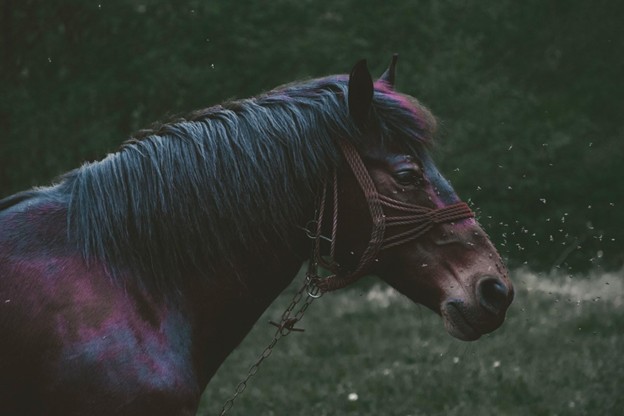
Photo by Djordje Gajic on Unsplash
Horse racing is one of the oldest sports of all time, originating many hundreds of years ago. It’s a game played by kings and presidents.
In May of this year, hundreds of thousands of people will flock to Louisville to attend the Kentucky Derby. Almost 20 million more people will watch it from home all over the world. To learn more about Kentucky Derby betting odds, visit TwinSpires.com.
For the first time in this game’s long history, fans and trainers alike are asking an unexpected question: how can artificial intelligence play a role in horse racing and betting?
AI in Bookmaking
AI is particularly efficient at working with large sets of numbers and rapidly extracting insights, making it a useful tool for bookmakers when pricing odds. There are also many AI analysis tools available for sports bettors. They’re not a magic ball, but they can be used to make more informed choices.
Ultimately, betting is still a complicated and mysterious process, one that no currently existing technology can fully conquer.
Racing, in particular, is a uniquely volatile sport, with winners crowned in approximately 120 seconds. In such a short timeframe, almost anything can happen—and often does. Nevertheless, artificial intelligence is one more tool in the bag of bookmakers and bettors alike. Use it responsibly.
Horse Management
Artificial intelligence has also become an important tool in managing the way horses are cared for. This is an endlessly elaborate process that the average fan in the stands never gets to see. Yes, the animal is only on the track for a few moments at a time, but those minutes are supported by hundreds or even thousands of hours of training, veterinarian appointments, diet management plans, and more.
While these processes are still executed largely manually, they are supported by data-driven, AI-derived insights in many cases. Artificial intelligence can review data points from the horse management process and make diet and training recommendations that are specific to each animal’s needs. Human oversight is still required, but using AI as a tool accelerates the process and helps catch things that might otherwise be ignored by the human eye.
Health Monitoring
Modern horses wear IoT-backed health monitoring devices to track everything from stride length to heartbeat, blood pressure, and more. These data points are processed through artificial intelligence to flag problems immediately and help horse management teams draw up action plans.
This technology makes racing safer and helps ownership groups protect their investment. Even a minor infection or small injury can result in millions of dollars in losses for horses competing at the highest level. This technology helps reduce that risk.
Risk Assessment
This may not be something that the average fan thinks much about, but horse management teams are very focused on when and where their animals compete. Despite the fact that only a few races per year garner widespread attention, there are actually thousands of events scheduled globally.
Management teams use data and historical insights to determine which venues are a good fit for each horse. The general idea is to ensure the animal gets lots of experience and repetition, while avoiding unnecessary risks—like entering events that could increase injury risk or distort the horse’s record. In other words, teams aim to avoid putting horses in positions where they are unlikely to succeed.
The goal is always to maximize the likelihood of success while keeping the horse as safe as possible. AI plays a role by processing data and helping produce actionable conclusions. It’s not perfect, and human decision-making is still essential. Nevertheless, AI accelerates the decision-making process and can highlight angles and considerations that might otherwise be missed by a person. Through AI-powered risk assessment, it may even be possible to reduce injuries and extend the life expectancy of racehorses.
Automation in Racing
Most people would assume that jockeys are safe from having their jobs taken by machines. In Saudi Arabia, at least, that assumption would be incorrect. In fact, automation has been used in racing since 2004—but not for the reason you might think.
Historically, children were used in camel racing because their small frames and low body weights were ideal for the role. Obviously, this was dangerous for the child and a considerable human rights violation by global standards.
Robot jockeys have been able to replace them, using automation to protect children while still allowing spectators to enjoy camel racing. We can safely assume that human jockeys will continue to be featured in horse races for the indefinite future.
AI Is a Tool, Not a Replacement
In horse racing, as in many other areas, artificial intelligence can be beneficial. That said, it is not likely to make one of the world’s oldest games unrecognizable anytime soon. Lots of human oversight and intervention are still required to take a horse from breeding to Churchill Downs. AI can accelerate efforts and refine processes, but it cannot replace caring and qualified humans.