Staying ahead of digital threats is not about luck. It is about steady habits that lower risk day by day.
You do not need a huge budget to make progress. Start with the basics, then build a rhythm that your team can follow.
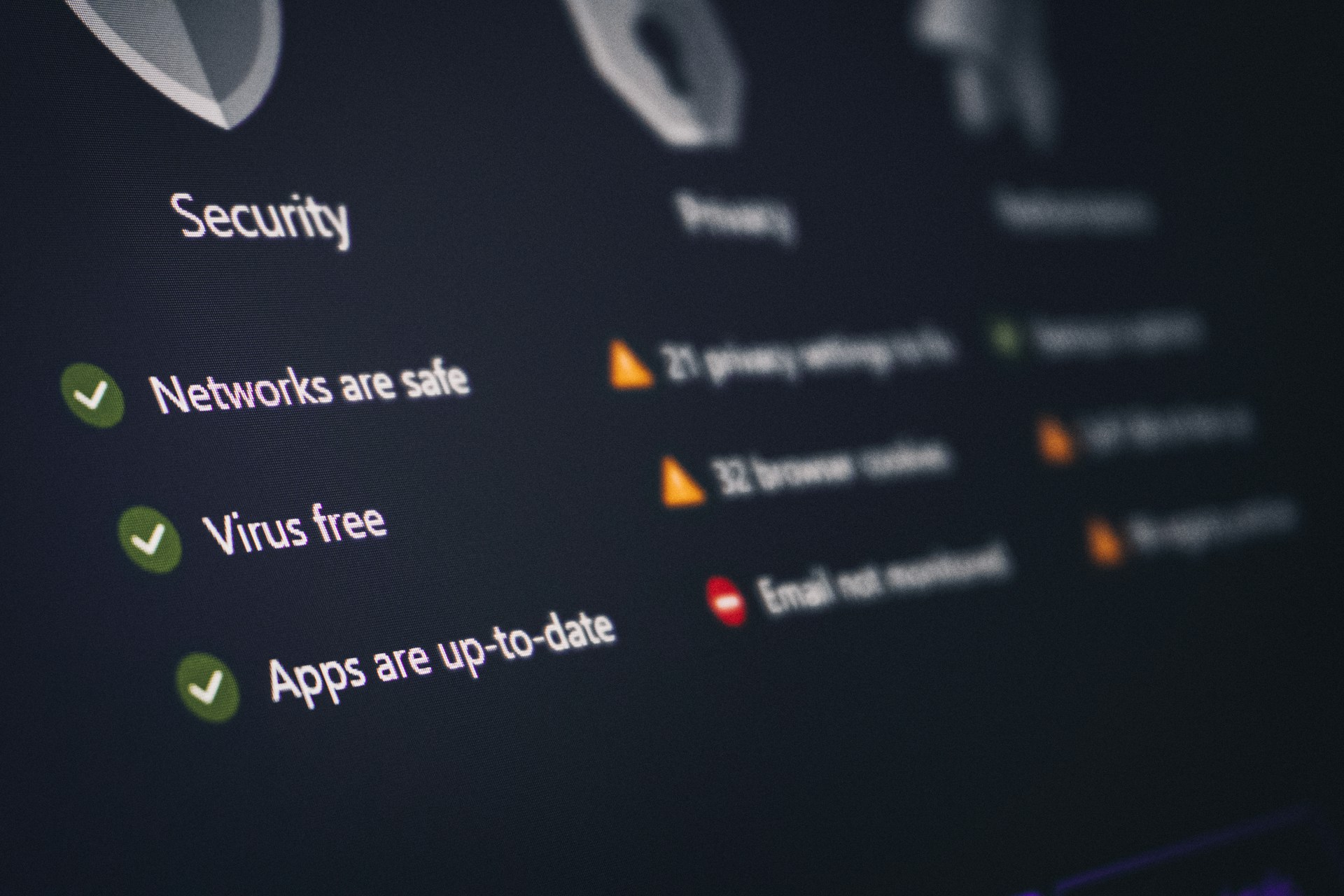
Image credit: Unsplash, free license
Understand The Modern Threat Landscape
Threats shift fast, but patterns repeat. Attackers hunt for weak passwords, unpatched software, and distracted users. When you fix the basics, you remove easy wins for them.
List your critical systems and data. Map how they connect and who can reach them. This simple picture shows where you are exposed.
Track a few key risks each quarter. Keep notes on attempts, fixes, and lessons learned. Small cycles add up to strong defense.
Secure The Cloud You Actually Use
Most teams use more cloud than they realize. Shadow apps and personal accounts can expand your risk. Bring that usage into the light and set simple rules.
Create a standard toolkit for storage, messaging, and docs. Learn about the benefits of cloud security for remote teams so your defaults work for people everywhere. Share those defaults and make access easy so people adopt them.
Turn on logging and geo alerts in your cloud platforms. Review unusual sign-ins and file sharing. Cloud gives you signals that help you react faster.
Lock Down Identities And Access
Your identity layer is your new perimeter. Use multi-factor authentication for admins and then for everyone. Avoid SMS where stronger factors are available.
Adopt least privilege. Give people only what they need and set time-bound access for sensitive tasks. Remove dormant accounts each month.
Add conditional access rules. Block risky sign-ins and require step-up checks for key apps. These simple gates stop many automated attacks.
Patch Fast And Reduce Attack Surface
Unpatched systems are a welcome mat. Keep an inventory of devices, apps, and versions. Automate updates where you can and set a tight patch window.
Remove software you do not use. Fewer apps mean fewer holes to fix. Disable old protocols and default ports that serve no purpose.
Group systems by risk and patch high-value targets first. Track patch success and failures. Your backlog shrinks and so does your exposure.
Train People To Spot Social Engineering
People face constant lures in email, chat, and calls. Teach them to pause, verify, and report. Short, frequent refreshers beat long annual courses.
Use real examples from your industry. Show how a fake invoice or HR notice looks. Share the telltale signs and the right way to check.
Make reporting easy and painless. Quick reports let your team stop a campaign early. Celebrate saves so everyone sees the impact.
Monitor Continuously And Respond Quickly
Logs tell the story if you collect them. Centralize events from endpoints, identity, and cloud. Set alerts for impossible travel, mass file access, and new admin roles.
Create a simple triage flow. Who reads the alert, what do they check, and when do they escalate? Clarity cuts minutes when they matter.
Practice a short incident drill each month. Simulate a phish or a lost laptop. The goal is fast, calm action and clear notes.
Protect Data Wherever It Lives
Classify your data into a few levels. Public, internal, and sensitive often work. This guides how you store, share, and protect.
Encrypt data at rest and in transit. Use managed keys and rotate them on a schedule. Avoid sending sensitive files over email when secure links are available.
Apply data loss prevention in your main tools. Flag mass downloads and external sharing. Review exceptions so the policy stays practical.
Build Resilience With Backups And Testing
Backups are your safety net. Keep at least 3 copies, on 2 media, with 1 offsite. Test restores so you trust the process.
Separate backup credentials from daily admin accounts. Use immutability to block tampering. Store critical runbooks with the backups.
Run tabletop exercises for ransomware and outages. Walk through who decides, who speaks, and what to recover first. Recovery speed improves with each run.
Make Security A Daily Habit
Security sticks when it fits daily work. Add short checks to existing meetings and sprints. A 5-minute review can prevent a 5-day mess.
Track a small set of metrics. Time to patch, MFA coverage, and phishing reports are great starters. Share progress so everyone sees the trend.
Keep a parking lot of ideas. Try one small improvement each week. Momentum beats big once-a-year pushes.

Image credit: Pixabay, free license
Good security is a practice, not a finish line. The more you automate the basics, the more time you have for tough problems.
When threats evolve, your habits evolve too. Keep learning, keep pruning risk, and stay one step ahead.