Making a film does not demand huge budgets, large crews, and professional cameras. With the fast development of artificial intelligence, all you need is a great concept, and you will be able to make your simple script into a fantastic movie. Whichever your intention is, whether you’re a writer, marketer, lecturer, or simply wish to make a film, you can have everything now at your fingertips owing to modern video editing software.
This writing is a thorough guide to making an AI film in 2026.
Why AI Filmmaking Is Growing So Fast
Creating films involves time, labor, and expertise that will make you use cameras, actors, lighting, editing software, and many different locations to film.
The advent of artificial intelligence in filmmaking eliminates most of these challenges through automation. Artificial intelligence can create an entire film through scripting, creating characters, creating scenes, narrating voices, animations, music, and video editing, among other aspects. You don’t need to spend many weeks filming various videos; instead, you create perfect videos in a couple of hours.
Step-by-Step Guide to Creating a Cinematic AI Film
Step 1: Start With a Strong Story
Every cinematic film begins with a compelling story.
Before generating visuals, define:
- Main character
- Setting
- Conflict
- Emotional journey
- Ending
But things will become much more exciting when you have a message to convey via your film, besides the visuals, even an AI-created two-minute video film.
It is important that you try to keep the script short, particularly when you are shooting a film for platforms like YouTube, TikTok, and Instagram.
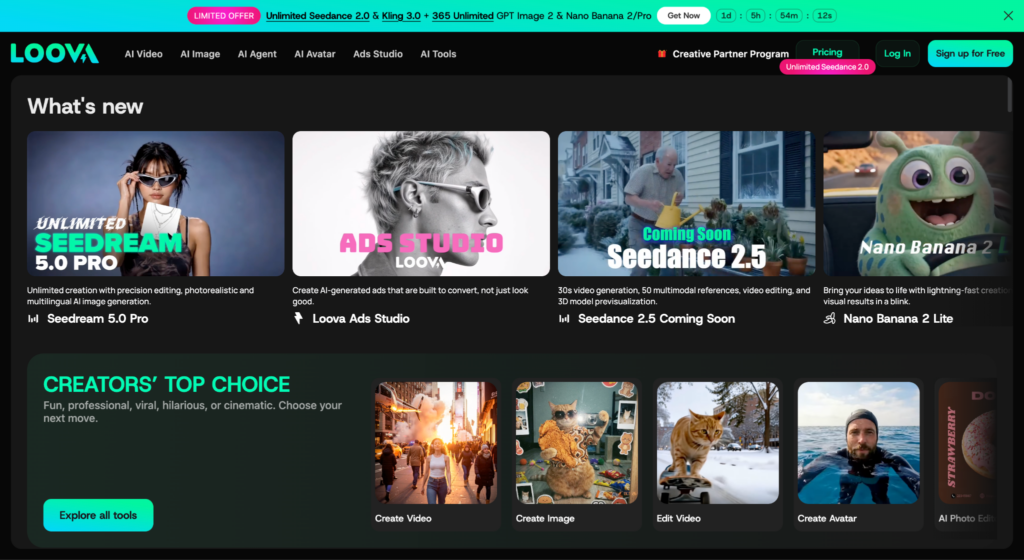
As one of the creative platforms in use nowadays, Loova makes it easy to make the whole process of filmmaking easier for users since it allows creating video content through AI technology based on ideas put down in writing. Thus, there is no need for complicated editing anymore.
Step 2: Break Your Script Into Scenes
Do not make one long video, but try breaking your script into scenes.
For example:
- Scene 1 – Introduction
- Scene 2 – Rising conflict
- Scene 3 – Major turning point
- Scene 4 – Resolution
This approach provides better visual consistency and makes editing much easier later.
Step 3: Generate Cinematic Videos From Text
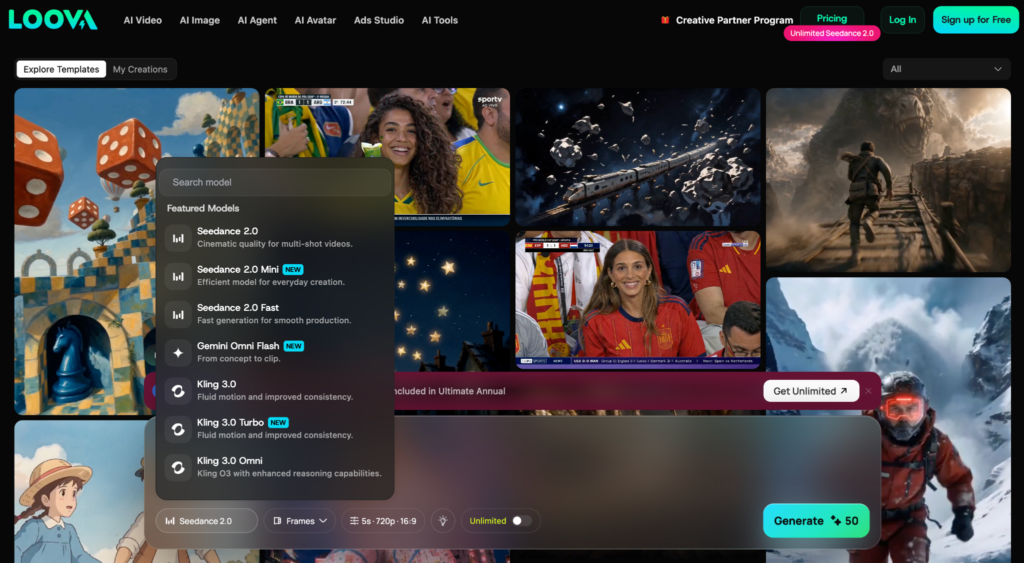
What would you call the biggest leap in AI filmmaking technology, honestly, like the most significant advancement? In today’s era, for text to video generator, you basically just drop in some natural language, and it spits out what looks like a real movie.
So, for instance, the prompt might be something like:
“Lonely traveler on nighttime journey in the cityscape of the future, cinematic lighting, slow motion, hyper realistic.”
In essence, what you write is the entire film.
As you write your prompts, make sure that they contain such elements as camera angle, lighting, mood, characterization, environment, color palette, and motion style.
Step 4: Maintain Character Consistency
The biggest challenge for AI filmmakers is to maintain continuity of one character in multiple scenes.
To improve consistency:
- Reuse the same character description.
- Keep clothing identical.
- Maintain facial features.
- Repeat camera style.
- Use similar lighting across scenes.
Many creators save their best prompt and slightly modify only the environment or action for each new scene.
Step 5: Use Professional Camera Prompts
Cinematic videos are not just about realistic characters. Camera movement dramatically improves visual quality.
Instructions such as slow dolly, close-up portraiture, wide establishing shot, drone shot, tracking shot, documentary style handheld shot, and cinematographic depth of field should be included to make the AI content look more like a professionally made film.
Step 6: Create High-Quality Images Using AI
New AI technology is capable of generating movie-like landscapes, lighting, weather, emotional facial expressions, animations, and camera movement.
Step 7: Stitch Everything Together
After all the scenes have been created via the text to video generator, compile them in your video editing tool. The use of professional narrators will help you tell your story better since you can add natural sounds in many languages and accents. Choose the type of narrator according to the type of your story, be it the docudrama voiceover, movie trailer, storytelling, conversational, or fantasy voiceover, and keep the natural pace.
The music will help create emotions and will help you breathe life into every scene. Add the appropriate soundtracks, depending on the genre of your story – for example, use piano music in the emotional scenes, use orchestral music for the epic scenes, electronic music for sci-fi movies, ambient sound in suspense scenes, and acoustic music for the personal stories.
Step 8: Optimize for Your Platform
Different platforms have different requirements.
YouTube
- 16:9 aspect ratio
- Longer storytelling
- High-quality thumbnails
TikTok
- Vertical format
- Fast pacing
- Strong first five seconds
Instagram Reels
- Short runtime
- Captions
- Attractive visuals
Tweak your export settings based on how your viewers will be watching the movie.
Tips for Better AI Film Results
How can you ensure that your AI films are more compelling? Create detailed prompts using cinematic language, maintain consistency when describing characters, create a scene plan before video generation, use proper lighting and camera angles, and include appropriate music and voiceover for your films. Such techniques will help you greatly increase the quality of the final product.
The Future of AI Filmmaking
The progress of AI video creation is developing at a fast pace. By 2026, creators will be able to leverage technologies that will be capable of converting an idea into a movie-like experience with little technology and knowledge needed.
By becoming more realistic and effective, independent creators, small firms, and educators can create compelling visuals without having to spend as much money as was needed in filmmaking previously. The creative process is essential despite the facilitation of the film-making process by artificial intelligence.
Conclusion
It’s no longer necessary to have a crew, a camera, or even editing done to make an AI film for the movies. With a script and AI video generation tools, anyone can make a creative story using today’s technology.
The workflow includes everything from scripting, setting up scenes, creating videos, narrating, and editing. In order to become a great filmmaker using AI tools in 2026, follow the workflow and create great movies and clips.
Frequently Asked Questions
Can I create a cinematic AI film without filmmaking experience?
Yes. AI tools make it easy for beginners to create cinematic films using simple text prompts and basic editing skills.
What makes a good AI video prompt?
A good prompt includes details about the subject, lighting, camera angle, mood, and environment for better results.
How do I keep the same character in every scene?
Use the same character description, clothing, and facial features in every prompt to maintain consistency.
What technology is used to convert text into movie-like videos?
Using a text-to-video generator, you can produce movie-like videos using written prompts in a few clicks.
Can I utilize AI movies on YouTube and other social media platforms?
Yes, of course. AI movies will fit perfectly in the context of YouTube, TikTok, Instagram Reels, marketing, and educational projects.