Key Takeaways
- AI-driven micro-climate systems achieve 98% accuracy in field condition classification, enabling precise farm-level decisions
- Real-time sensor networks combined with machine learning provide hyper-local forecasts at resolutions finer than five kilometers
- Smallholder farmers can reduce water waste and optimize harvest timing through probabilistic risk forecasts tailored to individual fields
- Edge computing enables offline functionality, ensuring farm management continues in low-connectivity rural environments
- Sensor-based systems deliver actionable triggers like “irrigate within 48 hours if rainfall probability drops below 30 percent”
- Integration of soil moisture, temperature, and crop health sensors creates comprehensive decision support for resource allocation
- Random Forest and Bayesian neural networks quantify uncertainty alongside predictions, supporting risk-based farming decisions
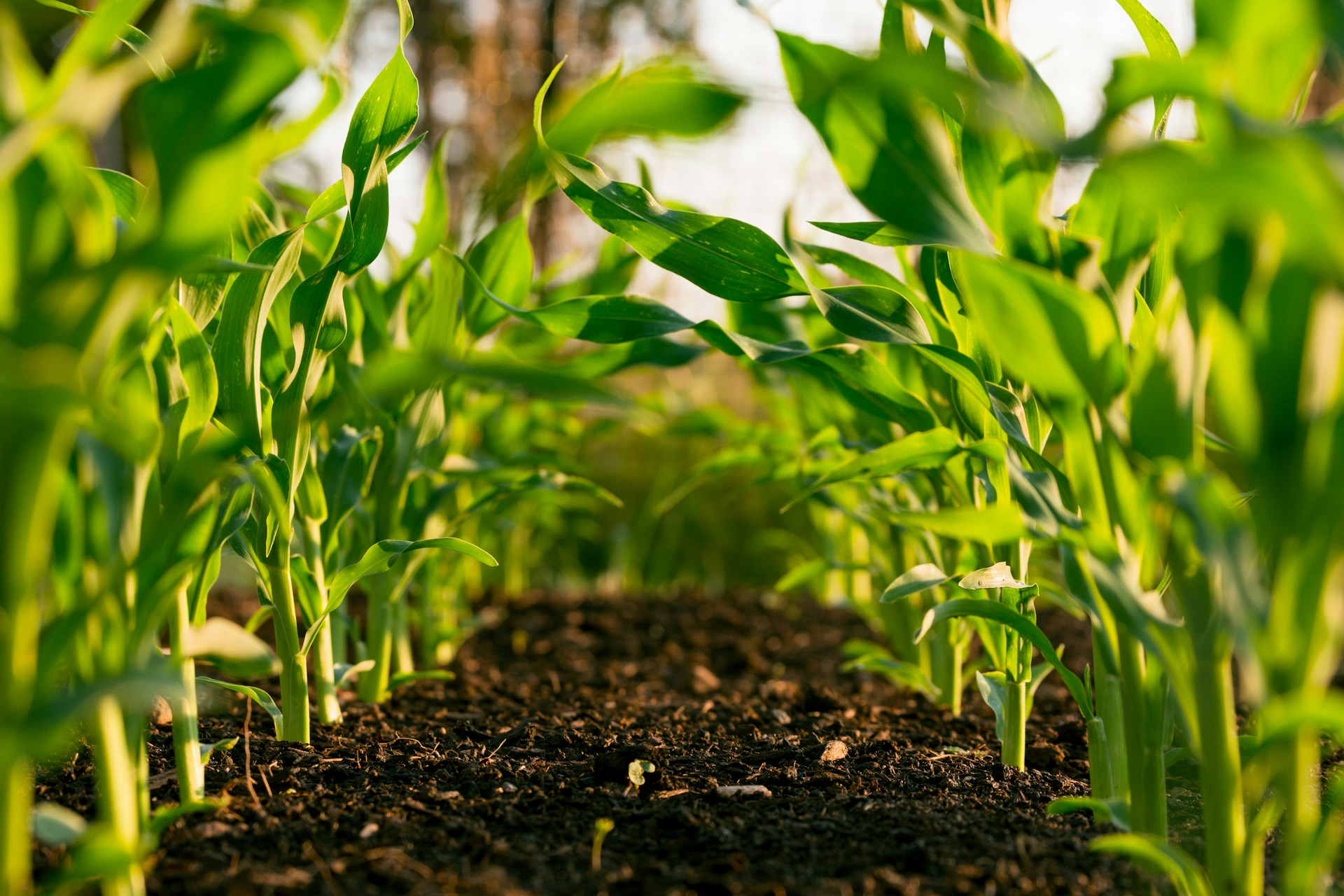
Predicting micro-climate effects is particularly important in sustainable farming. Image credit: Steven Weeks via Unsplash, free license
Transforming Farm Management Through Localized Intelligence
Small-scale farmers face a challenge that traditional weather services cannot solve: national forecasts fail to capture the microclimatic variations that determine success or failure at the field level. A farm five kilometers away might experience entirely different conditions—soil moisture, temperature fluctuations, frost risk—yet both rely on the same regional weather report.
Artificial intelligence now addresses this gap through hyper-local microclimate prediction systems that operate at the individual farm scale. These platforms combine IoT sensors embedded directly in fields with machine learning algorithms that process real-time environmental data. The result: farmers receive precise guidance on when to irrigate, apply fertilizers, or harvest crops based on conditions specific to their exact location.
Recent implementations demonstrate remarkable precision. Systems utilizing Random Forest models classify field conditions with 98% accuracy, while deep learning architectures downscale coarse meteorological data to resolutions finer than five kilometers. Smallholder farmers—who contribute up to 80 percent of staple crop yields in vulnerable regions—gain access to intelligence previously available only through expensive commercial services.
Edge Computing Enables Farm-Level Autonomy
The technical architecture supporting microclimate prediction relies on edge computing, which processes data locally rather than depending on constant cloud connectivity. This proves essential in rural areas where internet access remains unreliable.
A typical system deploys multiple sensor types across a farm: soil moisture probes measure water content at root depth, electrochemical sensors track nutrient levels, optical sensors monitor crop reflectance patterns, and weather stations capture temperature, humidity, and rainfall. These devices transmit data to an on-farm edge computer running machine learning models trained specifically for local conditions.
Mobile applications provide farmers with digestible insights. Instead of raw probability distributions, the system generates clear action triggers: “Soil moisture declining rapidly—irrigate northwest field within 24 hours” or “Temperature pattern suggests early blight risk—apply preventive treatment.” Role-based access control allows farm workers to view relevant information without overwhelming technical details.
Offline functionality distinguishes these systems from cloud-dependent platforms. When connectivity drops, the edge computer continues analyzing sensor data and updating recommendations based on stored models. Farmers maintain decision-making capability regardless of network status.
Probabilistic Forecasts Replace Deterministic Guesswork
Traditional agricultural advice often provides binary recommendations: irrigate or don’t irrigate, spray or wait. Microclimate AI systems instead deliver probabilistic forecasts that quantify uncertainty and enable risk-informed decisions.
Bayesian neural networks and ensemble predictors generate probability distributions rather than single-point estimates. A farmer might receive: “72% probability of rainfall exceeding 10mm within 48 hours, 28% probability of continued dry conditions.” This allows weighing the cost of unnecessary irrigation against the risk of crop stress.
Convolutional neural networks process multispectral satellite observations—including soil moisture and vegetation health indices—alongside ground station measurements and crowd-sourced sensor data. These models correct biases introduced by terrain and land cover heterogeneity, accounting for how a hillside faces differently than a valley bottom, or how tree lines create microclimatic zones within a single farm.
The fusion of diverse data sources produces forecasts calibrated to micro-scale geography. A system might predict that the eastern section of a farm faces 40% frost risk while the western section shows only 15% risk, enabling selective protective measures rather than blanket treatments.
Translating Predictions Into Farm Actions
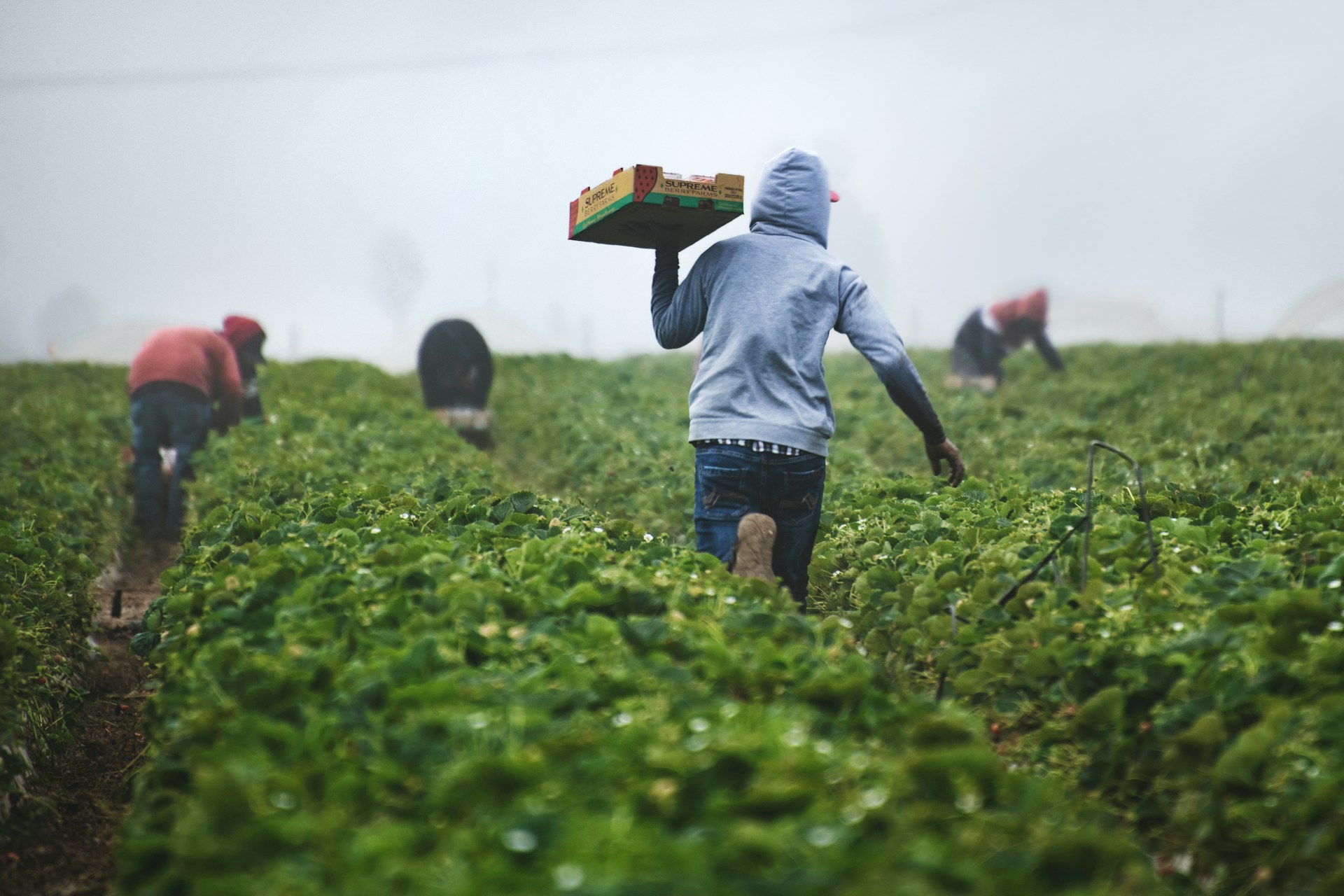
Farming – illustrative photo. Image credit: Tim Mossholder via Unsplash, free license
Raw probabilistic forecasts require translation into actionable guidance. Research teams work with agronomists and farming communities to develop rule-based overlays that align model outputs with crop calendars, soil characteristics, and local practices.
For example, a sub-20 percent rainfall probability over three days might trigger an irrigation recommendation for young plants with shallow roots, but not for established crops with deeper water access. The same forecast combined with high temperature predictions might suggest shifting irrigation timing to early morning hours to minimize evaporation.
Multi-modal dissemination ensures accessibility across literacy levels and technology access. SMS messages deliver basic alerts to feature phones, interactive voice response systems provide audio guidance in local dialects, and smartphone applications display detailed visualizations for farmers comfortable with graphical interfaces.
Participatory validation strengthens system accuracy over time. Farmers report observed outcomes—actual rainfall amounts, crop responses to interventions—creating feedback loops that improve model calibration. This ground-truthing also builds trust, as farmers see recommendations validated by real-world results.
Sensor Technologies Drive Precision Resource Management
The sensor layer forms the foundation of microclimate intelligence. Modern agricultural sensor networks deploy specialized instruments for comprehensive environmental monitoring:
Soil Moisture Sensors: Capacitance-based probes measure volumetric water content at multiple depths, tracking how irrigation or rainfall penetrates the root zone. Advanced systems distinguish between plant-available water and moisture bound to soil particles, providing accurate guidance on irrigation timing and duration.
Electrochemical Sensors: Ion-selective electrodes quantify nitrogen, phosphorus, potassium, and pH levels in real time. This enables dynamic fertilization where nutrients are applied only when soil tests indicate deficiency, eliminating waste from blanket applications.
Optical Sensors: Spectrometers measure crop reflectance in visible and near-infrared bands, calculating vegetation indices that indicate plant health, nitrogen status, and stress conditions. Normalized Difference Vegetation Index (NDVI) readings reveal subtle changes in canopy vigor days before visual symptoms appear.
Weather Stations: On-farm meteorological instruments capture temperature, humidity, wind speed, solar radiation, and precipitation at the field scale rather than relying on stations kilometers away. This hyper-local data feeds directly into microclimate models.
Wireless sensor networks coordinate these instruments, with nodes communicating through low-power protocols that extend battery life beyond 180 days. Data transmission occurs at intervals optimized to balance timeliness with energy consumption, ensuring continuous monitoring without frequent maintenance.
Machine Learning Models Optimize Farm Operations

AI in microclimate prediction – artistic impression. Image credit: Alius Noreika / AI
The analytical core of microclimate systems employs multiple machine learning architectures, each suited to specific agricultural tasks:
Random Forest Models: These ensemble learners combine hundreds of decision trees to classify field conditions and predict outcomes. A Random Forest trained on historical weather data, soil properties, and crop performance can forecast yield potential weeks before harvest, enabling marketing and logistics planning.
Support Vector Machines: SVM algorithms excel at classification tasks with high-dimensional data, such as identifying disease symptoms from multispectral imagery or distinguishing weed species from crops based on leaf shape and color patterns.
Recurrent Neural Networks: RNN architectures process time-series data, making them ideal for tracking how soil moisture responds to irrigation schedules or how temperature fluctuations affect crop development stages. Long Short-Term Memory (LSTM) networks, a specialized RNN variant, capture long-term dependencies in seasonal patterns.
Convolutional Neural Networks: CNN models analyze spatial relationships in images, detecting early signs of pest infestations, nutrient deficiencies, or disease outbreaks through automated image recognition. These systems achieve 96% accuracy in symptom identification when trained on diverse datasets.
Model selection depends on specific farm needs. A smallholder focused on water conservation might prioritize soil moisture prediction models, while a market gardener emphasizes disease detection systems. The edge computing architecture supports running multiple models simultaneously, providing comprehensive farm intelligence.
Practical Implementation Reduces Resource Waste
Case studies demonstrate tangible benefits from AI microclimate systems. Farms implementing sensor-driven irrigation reduce water consumption by 30-40 percent compared to schedule-based watering, while maintaining or improving yields. This efficiency proves critical in water-scarce regions where irrigation accounts for 70 percent of freshwater withdrawals.
Precision fertilization guided by real-time soil analysis cuts nitrogen application rates by 20-25 percent without sacrificing crop nutrition. Excess nitrogen not only wastes money but also leaches into groundwater or volatilizes into greenhouse gases. Targeted application matches nutrient delivery to plant uptake capacity, minimizing environmental impact.
Harvest timing optimization represents another significant gain. Machine learning models analyze multiple signals—sugar content in fruit, moisture levels in grain, fiber development in vegetables—to identify the narrow window when quality peaks. Harvesting too early reduces yield and market value; waiting too long risks weather damage or over-ripeness. AI guidance captures the optimal moment, increasing market prices by 10-15 percent for quality-sensitive crops.
Pest and disease management improves through early warning systems that detect symptoms before widespread damage occurs. A system that identifies fungal infection patterns three days earlier than visual inspection enables targeted treatment of affected areas rather than blanket pesticide application across entire fields, reducing chemical use by 40-50 percent.
Overcoming Barriers to Small-Farm Adoption

Robotics in agriculture – artistic impression. Image credit: Freepik, free license
Despite proven benefits, microclimate AI adoption faces obstacles among small-scale farmers. High initial costs for sensor hardware and edge computing equipment create entry barriers, particularly in low- and middle-income countries where agricultural extension services operate below 50 percent of recommended capacity.
Deployment strategies address these challenges through tiered models. A centralized AI platform managed by agricultural ministries or NGOs hosts crop and weather models, distributing advisories through para-extension agents—NGO staff, cooperatives, or lead farmers—who disseminate information via community meetings or self-help groups. This approach leverages existing social networks without requiring each farmer to purchase full systems.
Public-private partnerships facilitate affordable platform access. Agritech startups provide sensor hardware and software at subsidized rates through donor grants or corporate social responsibility programs, while telecommunications companies offer reduced-cost data plans for agricultural IoT devices. Farmer Producer Organizations co-subscribe to services, spreading costs across multiple members while lead farmers act as technical liaisons.
Training programs employ “train-the-trainer” cascade models where extension officers learn AI tool operation, then educate local farmer leaders who support peer adoption. Short workshops led by digitally savvy youth teach feature phone navigation for SMS-based advisories and interactive voice response systems, ensuring accessibility across literacy levels.
Low-bandwidth digital channels ensure reach in areas with limited connectivity. SMS messages conveying decision triggers require minimal data transmission, while interactive voice systems function over basic 2G networks. Smartphone applications synchronize data during intermittent connectivity windows, maintaining functionality despite unreliable service.
Gender Equity and Inclusive Design Principles
Women contribute nearly 45 percent of agricultural labor in developing regions but face barriers to digital advisory services due to sociocultural norms, mobility constraints, lower literacy rates, and caregiving responsibilities. Ensuring equitable access requires intentional design choices.
Gender-representative datasets that include female-headed households, women’s labor roles, and cropping calendars prevent bias in AI recommendations. Governance structures with at least 40 percent women’s participation guide content relevance and interface design, ensuring systems address women’s specific needs and constraints.
Tracking sex-disaggregated indicators—platform usage rates, cost-per-user by gender, decision-to-action timeframes, yield improvements—reveals whether benefits reach women farmers. When disparities emerge, targeted interventions like women-focused training sessions or culturally appropriate dissemination channels address gaps.
Inclusive interfaces prioritize voice-first interaction through IVR systems, local dialect support, and visual aids for low-literacy users. Integrating complementary services—nutrition information, financial literacy, childcare resources—aligns with women’s intersecting responsibilities beyond crop production alone.
Data Governance and Privacy Protections
Microclimate systems rely on farmer-supplied data—planting dates, yield outcomes, management practices—to improve model accuracy over time. Ethical implementation requires transparent data governance frameworks that respect farmer ownership and control.
Cooperative data models allow farmers to grant, modify, or revoke consent for data sharing. Clear policies specify who accesses data, for what purposes, and how long information is retained. Farmers retain rights to delete their data entirely, preventing vendor lock-in or exploitative data harvesting.
Given weak legislative frameworks in many regions, open-source platforms with transparent algorithms build trust through verifiability. Farmers and their representatives can audit model operations, understanding how recommendations are generated rather than accepting opaque “black box” systems.
Privacy safeguards prevent re-identification of individual farms from anonymized datasets. Differential privacy techniques add statistical noise that preserves aggregate patterns while protecting specific farm details. Data encryption during transmission and storage prevents unauthorized access.
Economic Sustainability and Financing Models
Most developing countries allocate less than 2-5 percent of agricultural budgets to extension services, making full public financing of AI systems unlikely. Blended financing models distribute costs across multiple sources:
Government Sponsorship: Small analytical teams maintain model updates and platform infrastructure using reallocated extension budgets, avoiding major new expenditures while building national capacity.
Donor Grants: Climate resilience funds and agricultural development programs provide pilot project financing, demonstrating system value before broader rollout.
Private Sector Engagement: Agritech firms and telecommunications companies offer subsidized services as market-development investments, gaining early-mover advantages in emerging digital agriculture markets.
Farmer Co-Payments: After demonstrating measurable benefits—yield increases, input cost reductions—introduce tiered fee structures with free access for the poorest farmers and minimal charges for commercial operations. Cost-sharing through cooperatives makes fees affordable while sustaining platform maintenance.
Incentivizing farmer participation through “data-for-service” models offers tailored advisories, input discounts, or microcredit rewards in exchange for sharing outcomes data. When benefits are clear, 80-90 percent of smallholders willingly contribute information that improves system accuracy for entire user communities.
Integration With Existing Agricultural Practices
Microclimate AI systems complement rather than replace traditional agricultural knowledge. Successful implementations embed AI tools within existing extension frameworks where trusted relationships already exist between advisors and farmers.
Integrating AI training into extension curricula prepares agricultural officers to interpret model outputs and explain recommendations in locally relevant terms. “Digital champions” at district levels bridge technical systems and field operations, troubleshooting issues and gathering farmer feedback for system improvements.
Rule-based advisory overlays incorporate indigenous knowledge—planting by lunar cycles, traditional weather indicators, local variety selection—alongside sensor data and model predictions. This synthesis respects cultural practices while introducing precision enhancements, making adoption culturally appropriate rather than disruptive.
Farmers retain decision authority, with AI providing intelligence rather than automation. Recommendations include explanatory rationales—”High evapotranspiration expected due to wind and low humidity”—that build understanding of underlying principles rather than creating dependency on technological directives.
Addressing Computational Complexity and Sensor Challenges
Technical limitations require ongoing refinement. Sensor noise from electromagnetic interference, temperature fluctuations, or mechanical vibrations introduces errors that data preprocessing techniques must filter. Calibration drift over time necessitates periodic validation against laboratory standards or reference sensors.
Computational complexity in deep learning models demands optimization for edge deployment. Model compression techniques—pruning unnecessary neural network connections, quantizing weights to reduce memory requirements—enable sophisticated algorithms to run on resource-constrained hardware without sacrificing accuracy.
Power management for sensor networks balances measurement frequency with battery life. Adaptive sampling adjusts data collection rates based on conditions: frequent measurements during critical growth stages or weather events, reduced sampling during stable periods. Energy harvesting from solar panels extends operational autonomy beyond battery capacity alone.
Future Directions and Scalability Pathways
Ongoing development focuses on expanding crop variety support beyond major staples to include specialty vegetables, fruits, and cash crops with distinct microclimate sensitivities. Multi-crop models accommodate diverse small-farm systems where several species grow simultaneously in intercropping arrangements.
Enhanced mobile edge computing capabilities will enable more sophisticated on-farm processing, including real-time image analysis for pest detection and automated drone coordination for targeted interventions. Federated learning approaches allow models to improve through distributed training across farm networks while preserving individual data privacy.
Integration with blockchain-based supply chain platforms could link microclimate data to product traceability, enabling premium pricing for crops grown with verified sustainable practices. Buyers gain transparency into production methods while farmers capture value from environmental stewardship.
Climate change adaptation remains a central concern. As historical weather patterns lose predictive power, AI systems must rapidly incorporate new data reflecting shifting baselines—altered growing seasons, novel pest ranges, unprecedented extreme events. Continuous learning mechanisms that automatically retrain models on recent observations will prove essential.
Enabling Smallholder Climate Resilience
AI-driven microclimate prediction represents more than technological advancement; it offers a pathway toward agricultural resilience in an era of unprecedented climate uncertainty. Smallholder farmers managing marginal lands face mounting threats from erratic rainfall, extreme temperatures, and intensifying weather variability that outpace adaptation capacity.
Hyper-local forecasting allows anticipating rather than reacting to climate stresses. Farmers can adjust planting dates to avoid predicted dry spells, select drought-tolerant varieties when seasonal rainfall projections fall short, or implement protective measures ahead of frost events. This proactive stance transforms farming from crisis management to strategic operation.
The technology also supports crop diversification by providing species-specific guidance. A farmer considering introducing a new crop receives assessments of suitability based on microclimate conditions, soil characteristics, and market timing, reducing experimentation risk. Successful diversification spreads climate risk across multiple crops with different sensitivities.
Community-scale implementation where multiple farms share sensor networks and AI platforms creates collective resilience. Aggregated data improves forecast accuracy for the entire area while reducing per-farm costs. Cooperative responses to predicted events—coordinated irrigation from shared water sources, group purchasing of protective materials—strengthen adaptive capacity beyond individual capabilities.
Realizing the Promise of Precision Agriculture
The convergence of affordable sensors, powerful edge computing, and sophisticated machine learning algorithms makes hyper-local microclimate intelligence technically feasible and economically viable for small-scale farmers. Systems achieving 98 percent accuracy in field condition classification demonstrate that precision agriculture is no longer exclusive to large commercial operations.
However, technology alone cannot ensure equitable outcomes. Realizing the full potential of AI microclimate systems requires coordinated investment in digital infrastructure, capacity building for farmers and extension agents, supportive policies that promote open-source platforms over proprietary lock-in, and governance frameworks that protect farmer data rights while enabling system improvements through shared learning.
Governments, donors, research institutions, and the farming community must collaborate to transform cutting-edge machine learning research into tangible resilience gains. Open-source platforms with transparent algorithms, integration into trusted extension networks, gender-equitable design, and sustained capacity building will determine whether these technologies empower millions of smallholders or merely create new dependencies.
The stakes extend beyond individual farm productivity. Small-scale farmers feed vulnerable populations most affected by climate disruption. Enabling these farmers to anticipate extremes, optimize practices, and secure livelihoods contributes directly to global food security and climate adaptation goals. AI-driven microclimate prediction offers a proven tool—now the challenge lies in deployment at scale with equity at the center.
If you are interested in this topic, we suggest you check our articles:
- 10 Big Improvements AI Has Made to Farming
- Computer Vision Applications in Agriculture
- How are AI Solutions for Climate Change Making an Impact?
- 10 Real Life Examples of Sustainable AI in Action
Written by Alius Noreika