Smart glasses are increasingly seen in the market as a promising technology of the future, as the integration of intelligent AI solutions significantly expands their applications. Some, including Meta, believe that in the future they could replace smartphones, since everything will be possible directly on AI glasses screens.
For Now, AI Glasses are not yet a Part of Everyday Life
Although the concept of such advanced glasses initially promised a breakthrough in the market, so far they remain limited to a niche audience or business use. Still, in future prospects, they do not lag potential growth. With technological progress, microcontrollers are improving, and new functions and capabilities are emerging.
It is estimated that last year the global smart glasses market reached USD 1.93 billion.
However, their beginnings go back to 2013, when Google Glass was one of the main devices on the market.
What Can AI Glasses Do?
These AI glasses stand out because they are not a standard product and are not meant for vision correction. Such devices are typically packed with AI functions, integrated with advanced technologies, and help simplify daily routines:
- Complex interaction – voice commands and processing are possible, as well as computer vision features that help users interact with the device.
- LLM integration – allows natural content conversion and generation for the user.
- Personalization – the content is tailored, individualized, and matches personal context.
- Real-time processing – smart glasses process data instantly.
Here’s What You Can do with Smart Glasses:
- Translation – the device can translate any content in real time – messages, social media posts, internet information, and it is believed that in the future they will even be able to translate live conversations.
- Navigation capabilities – AI glasses provide detailed directions, safety information, and more.
- Virtual assistant – they also feature AI agents that provide access to personal calendars, notifications, reminders, etc., all without the need for hands – just voice commands.
- Photography – naturally, they come with cameras that work as hands-free devices for filming, taking pictures, and saving captured content.
These devices have also advanced significantly: they analyse context and can proactively initiate useful suggestions and actions for the user.
Specific Examples of AI Glasses
In general, some experts divide the AI glasses market into three tiers:
- Budget level (USD 50–200) – offering basic audio functions.
- Mid-range (USD 200–450) – includes camera features and more AI integration.
- Premium (from USD 500) – the most advanced technologies, such as integrated visual displays.
There are already several examples of smart glasses on the market, with Meta actively developing solutions in this field. Its smart glasses work through the Meta AI app, which allows adjusting settings, exporting photos, or using an AI assistant. The device has an indicator that notifies when someone is recording or taking photos. They are also useful for people with vision, hearing, or speech impairments, as they can make calls, send messages, or take photos using voice commands. Prices start at GBP 299.
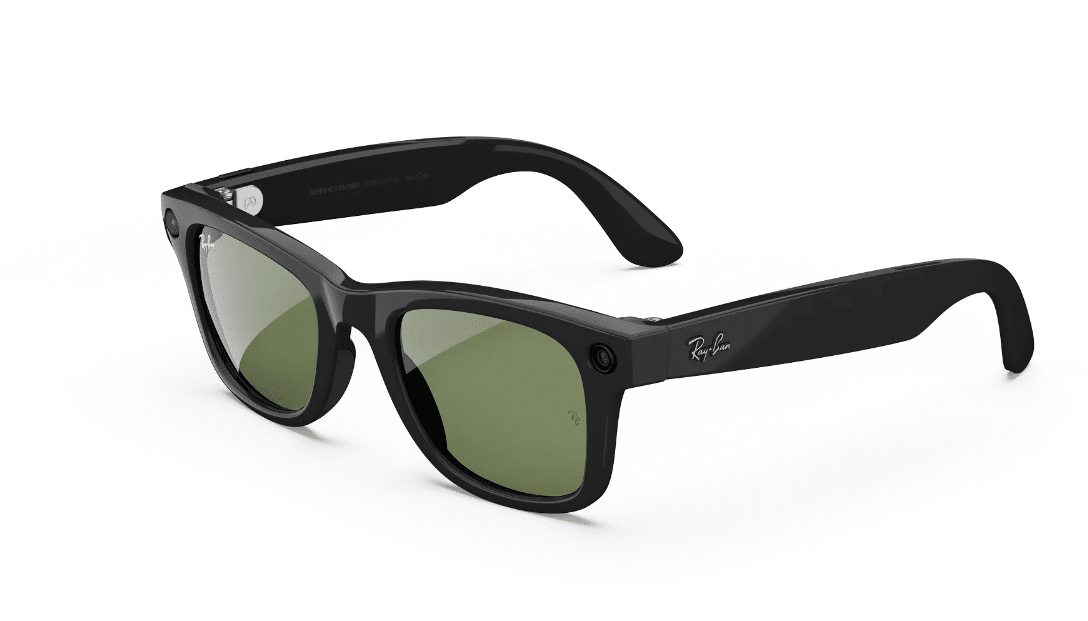
Ray-Ban Meta “Wayfarer” glasses. Image source: Meta
In the premium class, the “G1” AI glasses stand out – they look very standard and natural, like regular glasses. However, they feature a built-in micro-LED display that shows important information to the wearer, invisible to others. They allow note-taking, provide real-time translation into 22 languages, as well as navigation and other voice-controlled functions. Their price starts at USD 599.
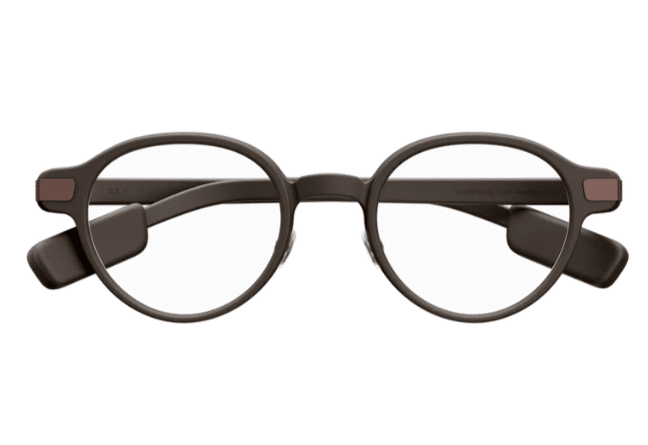
“G1” smart glasses. Image source: Even Realities
Looking at the fully budget-friendly smart glasses segment, one example is the “Tailwind” glasses. They have integrated listening and communication functions via Bluetooth – you can listen to music, make calls, and use some voice assistant functions. The price starts at just USD 99.
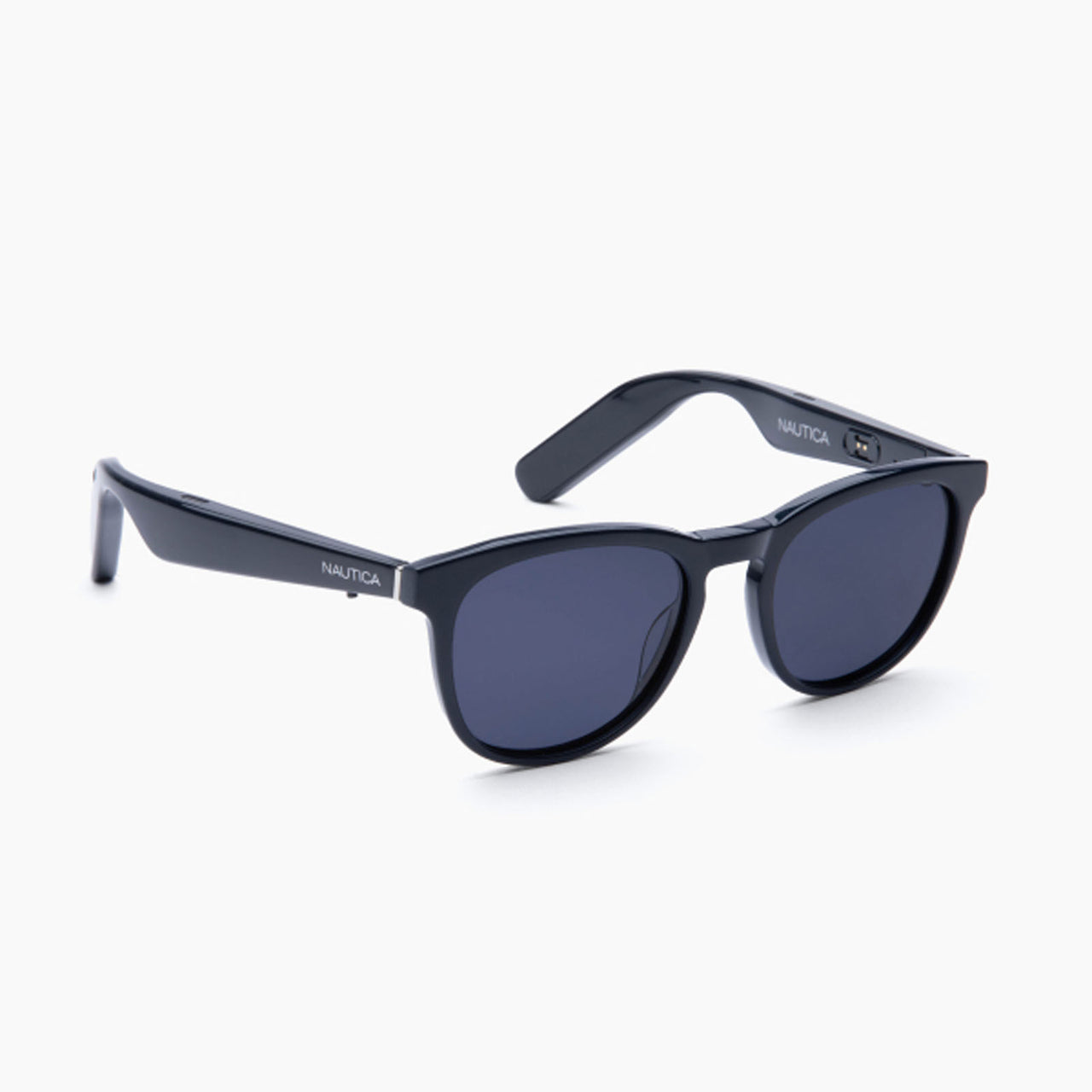
“Tailwind” glasses that look like the standard ones we’re used to. Image source: Lucyd
Of course, there are many more smart glasses available on the market.
Final Thoughts
As technologies and AI systems advance, we are seeing the rise of new smart devices such as AI glasses. While it is still debatable whether they will replace smartphones, with more flexible pricing emerging, smart glasses are likely to transform the daily lives of many users.
If you are interested in this topic, we suggest you check our articles:
- AI-Powered Smart Glasses for Different Users Expectations
- Seeing Reality Through Meta Smart Glasses
- Next-Gen AI Doctors: Movano’s Smart Ring Lets You Talk to AI Chatbot EvieAI
Sources: Ambiq, Dresden, Even Realities, Meta, Lucyd