**This post is sponsored by Semrush. When you purchase through links in this article, we may earn an affiliate commission from Semrush.**
I used to think that improving a website was mostly about publishing better content, choosing the right keywords, and keeping up with competitors. Whenever traffic slowed down, my first instinct was to create another article or adjust a few pages. If rankings dropped, I assumed the competition had simply become stronger. These decisions sometimes helped, but I eventually realized that I was spending time and resources reacting to symptoms without understanding the actual problems.
Managing a website requires more than a collection of marketing ideas. It involves knowing which areas need attention, where opportunities exist, and whether the changes being made are producing meaningful results. I started taking a more structured approach to digital marketing after realizing how much easier these decisions become when they are supported by reliable information. Getting started with Semrush can help businesses discover what is happening behind their website performance and identify practical ways to improve their online presence.
Understanding the Problems Before Spending More on Marketing
One of the biggest lessons I learned was that not every website problem requires a new marketing campaign. Sometimes, the issue is much simpler. A page might load too slowly, important content may be difficult for search engines to understand, or technical errors could prevent certain pages from appearing in search results.
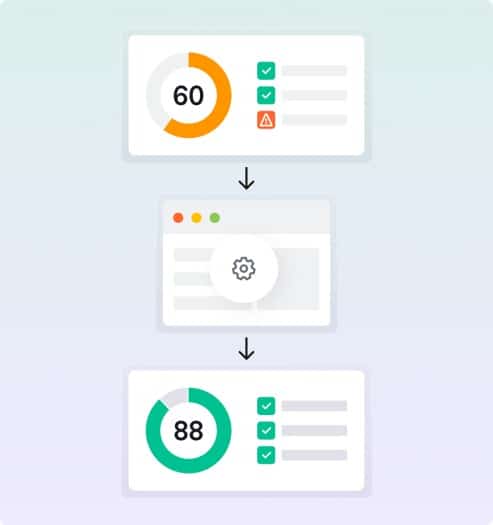
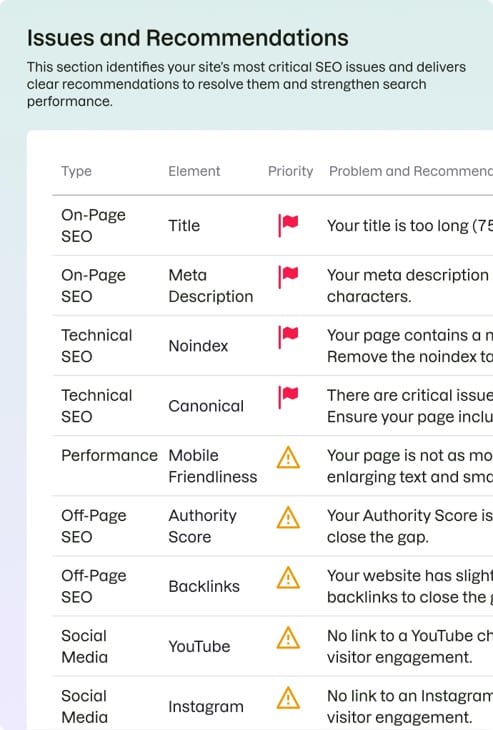
This is why I find website audits particularly valuable. Instead of manually checking individual pages and hoping to notice everything, I can use Semrush’s SEO Checker to get an overview of a website’s technical and on-page condition. It identifies potential problems involving page titles, headings, keywords, mobile usability, loading speed, and other important SEO elements. More importantly, the report provides recommendations that help determine which issues deserve attention first.
I appreciate this approach because it makes marketing decisions less dependent on personal assumptions. For example, if an article receives fewer visitors than expected, I would rather investigate its keyword targeting, technical condition, and search visibility before deciding to replace the content entirely.
Semrush also offers a broader Site Audit solution for businesses that need more detailed website analysis. It can examine over 140 technical and on-page issues, making it easier to identify problems across larger websites. For a technology-focused business, where product pages, technical explanations, and educational resources all contribute to attracting potential customers, keeping these elements accessible and properly structured matters.
I also started paying closer attention to what competitors were doing. A competing website might be attracting visitors through topics I had overlooked or answering questions that my own content did not address. With Semrush, keyword research and competitor analysis provide a clearer picture of these opportunities. Rather than copying another company’s strategy, I can understand why certain topics perform well and find ways to offer something more useful to my own audience.
Turning Marketing Information Into Better Business Decisions
Collecting data is only useful when it influences what happens next. I learned that having several reports filled with numbers does not automatically create a better marketing strategy. The important part is knowing how to interpret those numbers and connect them to business goals.
For example, I would look at organic traffic alongside keyword rankings to understand whether the website is becoming more visible for relevant searches. I would also examine which pages attract visitors and whether those visitors continue exploring the website. A page that generates thousands of visits but produces very few inquiries may need a different approach from one that attracts a smaller but more interested audience.
Semrush makes it easier to bring several parts of this process together. Its keyword research capabilities help identify what people are searching for, while its competitive insights reveal where other businesses are gaining visibility. Site audits then help determine whether technical or content-related problems are holding a website back.
Another area I would not overlook is the changing search environment. People are increasingly discovering information through AI-powered search experiences alongside traditional search engines. This makes it important to consider how clearly a website presents its information and whether its content can be accessed by search engine and AI crawlers. Through Semrush’s wider platform, including Semrush One, businesses can examine traditional SEO performance and AI search visibility within a broader marketing strategy.
What I find most practical about this approach is that it encourages consistent improvement instead of occasional reactions. After fixing a technical issue, I can review the website again and monitor whether its overall health improves. If a content update does not produce the expected results, I can revisit the keyword strategy and compare its performance with competing pages.
I no longer believe that successful marketing comes from making more changes or spending a larger budget. It comes from understanding which changes are worth making in the first place. Semrush provides a way to replace scattered research and guesswork with more organized insights, helping businesses make decisions based on what their websites actually need.
For anyone managing a growing business, an AI-focused platform, or a content-driven website, having this level of visibility can make a meaningful difference. Instead of treating every traffic drop as a reason to launch another campaign, start by understanding what is happening beneath the surface. Explore Semrush here and discover how its unified platform can help you identify website issues, uncover new opportunities, and build a more informed digital marketing strategy.