Key Takeaways
- Nvidia has not published official RTX Spark pricing. Every figure circulating today is an estimate from PC makers and analysts, not a price list.
- Morgan Stanley’s checks at Computex 2026 put flagship N1X systems near $2,899 and lower-tier N1 systems near $1,799.
- PCWorld’s sources gave a similar range: about $2,500 to $2,900 for N1X machines and $2,000 to $2,500 for N1 models.
- The RTX Spark is sold as a chip family, not a single product. Price varies by core count, memory, and the OEM building the machine.
- The N1X silicon is essentially the same as the GB10 Grace Blackwell Superchip already shipping in Nvidia’s DGX Spark desktop.
- That DGX Spark, the Linux developer workstation, launched near $3,999 and now retails around $4,699 as memory prices have risen.
- RTX Spark laptops and compact desktops are due in fall 2026 from ASUS, Dell, HP, Lenovo, Microsoft Surface, and MSI, with Acer and GIGABYTE to follow.
- A single RTX Spark system can run a 120-billion-parameter model locally with a one-million-token context window.
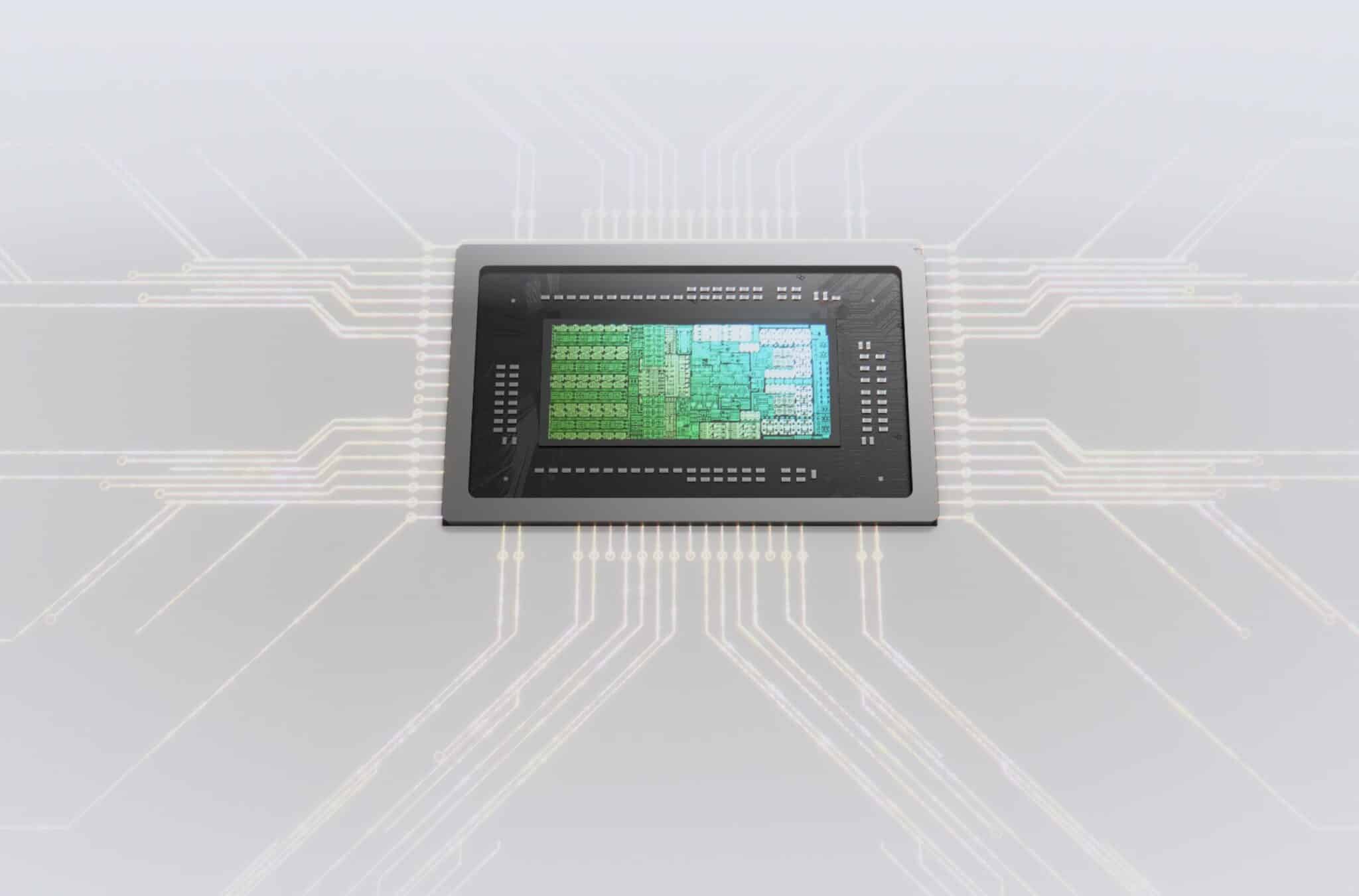
Nvidia RTX Spark superchip. Image credit: NVIDIA
There is no confirmed price yet. Nvidia unveiled the RTX Spark at Computex 2026 and has so far declined to publish a price list, telling reporters that pricing details would arrive closer to the fall launch. What buyers have instead are estimates, and the most cited come from Morgan Stanley’s checks with PC brands at the show: machines built around the flagship N1X chip are expected to land near $2,899, while systems using the lower-tier N1 chip start closer to $1,799. PCWorld’s own sources landed in the same territory, roughly $2,500 to $2,900 for N1X and $2,000 to $2,500 for N1. Treat all of these as directional figures that will move before retail.
The reason there is no single number is that the RTX Spark is a chip family rather than one device. Nvidia describes at least three tiers built on the same architecture, and final pricing depends on how many CPU and GPU cores an OEM enables, how much memory it fits, and which class of laptop or mini desktop it ships in. So “how much does it cost” resolves to a band, not a price, until the machines reach shelves.
What the RTX Spark is, and why pricing is tricky
The RTX Spark is Nvidia’s first consumer processor for Windows PCs, an Arm-based system-on-chip codenamed N1X and designed with help from MediaTek. It runs Windows on Arm, so native Arm64 apps run directly and older x86 software runs through Microsoft’s emulation layer. The flagship pairs a 20-core Grace CPU (ten Cortex-X925 and ten Cortex-A725 cores) with a Blackwell GPU carrying 6,144 CUDA cores across 48 streaming multiprocessors, up to 128 GB of unified LPDDR5X memory, and about one petaFLOP of FP4 compute. It is built on TSMC’s 3 nm process and carries roughly 70 billion transistors, with a 45-to-80-watt power envelope.
That silicon is, in practical terms, the same chip already shipping inside the DGX Spark, Nvidia’s desktop AI workstation that runs a customized version of Ubuntu. The key difference is the operating system and the audience: DGX Spark targets developers on Linux, while RTX Spark brings the same Grace Blackwell pairing to Windows machines for creators, developers, and gamers. The shared lineage is why the two products’ prices sit in adjacent ranges, and why memory costs move both.
| System / chip | Estimated or actual price | Notes |
|---|---|---|
| RTX Spark N1X laptop/desktop | ~$2,899+ (estimate) | Flagship 20-core, full GPU, up to 128 GB |
| RTX Spark N1 laptop/desktop | ~$1,799+ (estimate) | Reduced cores, GPU, and power |
| PCWorld N1X range | ~$2,500–$2,900 | Source check, unconfirmed |
| PCWorld N1 range | ~$2,000–$2,500 | Source check, unconfirmed |
| DGX Spark (GB10, Linux) | ~$3,999 launch, ~$4,699 now | Actual retail, memory-driven rise |
Why the estimates land where they do
Two forces push RTX Spark pricing into premium territory. The first is the chip itself: a desktop-class Blackwell GPU, a 20-core Arm CPU, and up to 128 GB of unified memory is high-end hardware, and the N1X tier sits close to flagship creator and gaming laptops that carry discrete GPUs. The second is memory. Nvidia representatives told reporters that vendors were waiting to see how memory and storage prices settled closer to fall before committing, and that volatility is visible in the DGX Spark, which has climbed from a roughly $4,000 launch price to about $4,699. With high-bandwidth and unified memory in tight supply across the industry, the cost floor for these 128 GB systems is unlikely to fall before launch.
This is the same memory crunch shaping the broader market, where memory bandwidth has become the critical bottleneck for AI hardware. The RTX Spark inherits both the benefits of that design and the pricing pressure that comes with it.
What the price buys
For the money, Nvidia positions the RTX Spark as a machine that runs serious AI work locally rather than renting cloud tokens. A single system can run a 120-billion-parameter large language model with a one-million-token context window, edit 12K video, render 3D scenes larger than 90 GB, and play current AAA titles above 100 frames per second at 1440p with the help of DLSS. The pitch is aimed at developers and creators who would otherwise pay continuously for cloud compute, which reframes the high sticker price as a one-time cost against an ongoing one. The underlying Grace Blackwell design is the same architecture detailed in our look at Nvidia’s Blackwell platform.
When you will know the real price
Nvidia says RTX Spark laptops and compact desktops arrive in fall 2026, with more than 30 laptop designs and around 10 desktops at launch from ASUS, Dell, HP, Lenovo, Microsoft Surface, and MSI, and Acer and GIGABYTE following. Higher-memory workstation models, including a Windows DGX Station scaling to 768 GB, are slated for the fourth quarter. Confirmed retail prices should appear in the weeks before those machines ship. Until then, plan around the estimate band: roughly $1,799 and up for an N1 system, and near $2,899 for a flagship N1X configuration, with the final figure set by memory, cores, and the brand on the lid.
If you are interested in this topic, we suggest you check our articles:
- NVIDIA Blackwell Server: Specs, Power and Capabilities
- Nvidia’s Blackwell Ultra GB300 and Vera Rubin
- How Big a Role Does AI Infrastructure Play in Model Performance?
- AI Infrastructure: Essential Components in Modern ML Systems
- How Much Electrical Power Does AI Require?
Sources: PCWorld, Notebookcheck, VideoCardz, The Register, PC Guide, Nvidia
Written by Alius Noreika