Technology is a constant, ever-changing force, changing the manner in which people communicate, work, and problem solve. AI is one of the most touching developments ever, and one of the top influencers of digital transformation. AI is now for everyone, not just disquisition labs or slice-edge computing centers. moment, it affects industriousness, including healthcare, education, manufacturing, media, and business operations. As associations adopt smarter systems, the discussion around technology has shifted from simple automation to intelligent decision-making and invention.

AI- powered tools are helping reshape digital ecosystems while raising important exchanges about ethics, effectiveness, and the unbounded relationship between humans and machines.
How AI Is Transforming Modern Technology?
The development of artificial intelligence has been intertwined with the most ultramodern technological systems. Machine literacy algorithms can reuse vast quantities of data, find patterns, and induce perceptivity more snappily than traditional styles. This functionality enables associations to make informed opinions and enhance their effectiveness. AI is rapidly gaining traction in the tech sector for predictive analysis, customer support automation, cybersecurity surveillance, and process optimization. AI is being adopted with growing frequency in the tech industry for predictive analysis, automated customer support, cybersecurity surveillance, and optimization of processes. Intelligent systems can be used to adapt to the changing environments instead of relying on the in-house operations.
Automation Beyond Repetitive Tasks
Early robotization technologies concentrated substantially on reducing repetitive work. Current AI systems, still, are able to perform more sophisticated functions. They can fete speech, dissect images, understand language, and support complex workflows.
This elaboration demonstrates how technology is moving toward systems that help with thinking processes rather than simply replacing manual labor. Similar developments continue to impact how associations structure work and manage coffers.
Role of Visual Technology in Digital Communication
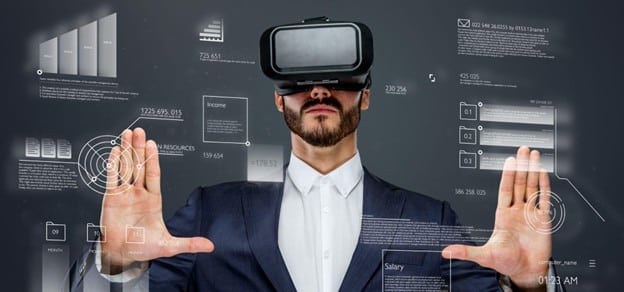
Digital communication increasingly depends on visual content. Whether in education, online media, donations, or social platforms, visual rudiments help deliver information more effectively.
AI- powered technologies now support image improvement, happy recommendations, and asset creation. coffers like clipart images remain useful because they give simple visual representations that ameliorate communication without inviting cult.
Why Do Visual Assets Continue to Matter?
The digital world produces an enormous quantity of information every day. Visual tools help simplify complex ideas and ameliorate stoner engagement. Educational accoutrements, websites, and donations frequently rely on icons, plates, and visual rudiments to support understanding. Technology has made these coffers easier to produce and access. AI systems can organize and suggest visual content according to the environment, perfecting effectiveness for druggies across multiple disciplines.
AI and Accessibility Improvements
One important advancement in technology involves availability. Intelligent systems can induce image descriptions, ameliorate readability, and help users with different requirements interact with digital content more effectively.
Ethical Challenges in Emerging Technologies
Looks at the ethics of new technologies. Although there are great values in technological invention, it also raises great ethical concerns. AI has brought up new discussions regarding data security, transparency, and data collection. More and more associations are gathering and breaking down vast amounts of stoner data. Therefore, technology policymakers and leaders are still searching for fabrics that will promote responsible innovation and protect druggies.
Balancing Innovation and Responsibility
Rapid technological growth creates pressure to introduce snappily. Still, long- term success frequently depends on maintaining trust and responsibility. Inventors and associations may need stronger guidelines regarding AI systems, data operations, and content authenticity. Responsible practices could become essential as technology continues to expand into everyday life.
Future of Technology and Human Collaboration
The future of technology may not revolve around replacing people but enhancing mortal capabilities. AI systems can reuse information fleetly, identify trends, and automate time- consuming tasks. Humans contribute creativity, emotional understanding, and strategic thinking. This cooperation may define the coming stage of digital invention. Rather than contending with intelligent systems, individualities and associations are increasingly learning how to work alongside them.
With the continued advancement of technology, diligence is likely to undergo additional evolution in the areas of communication, creativity and business operations. The use of AI is not just a specific development; it’s a paradigm shift in problem-solving and invention within society.