Wall Street has always been as much about psychology as mathematics. While traditional fundamental analysis focuses on balance sheets and price-to-earnings ratios, a growing number of traders are turning their attention to something equally powerful yet far more ephemeral: the collective mood of the market.
Sentiment analysis has emerged as a critical component in modern trading strategies, transforming how investors interpret market movements and identify opportunities. This analytical approach examines the emotional undertones in social media posts, news articles, and trading discussions to gauge whether market participants feel optimistic or pessimistic about specific stocks.
The Science Behind Market Emotions
The premise is straightforward yet profound: markets are driven by human emotions, and these emotions leave digital footprints across social media platforms. When thousands of traders express their views about a company online, their collective sentiment often precedes significant price movements. Research consistently demonstrates that market sentiment serves as one of the most reliable predictors of short-term price shifts.
“Analyzing crowd psychology provides traders with opportunities to profit from price movements driven by investor reactions,” explains financial behavior research. The emotional responses of market participants typically push stocks into either bearish or bullish territory, creating windows of opportunity for astute traders who can quickly interpret these signals.
The challenge, however, lies in processing the sheer volume of information. Every minute, traders generate dozens or hundreds of posts across various social media platforms. Manually sifting through this data proves both time-consuming and impractical for most investors.
Technology Meets Trading Psychology
This is where artificial intelligence-powered platforms have become indispensable. Companies like StockGeist.ai are addressing this challenge by providing real-time sentiment analysis for over 2,200 publicly traded companies, including those in the S&P 500, NASDAQ 100, and biotechnology sectors.
These platforms offer several sophisticated tools that transform raw social media chatter into actionable insights. Ranking systems identify which companies are receiving the most attention online, while watchlists allow traders to monitor sentiment changes across selected stocks over different timeframes – from five minutes to a full day.
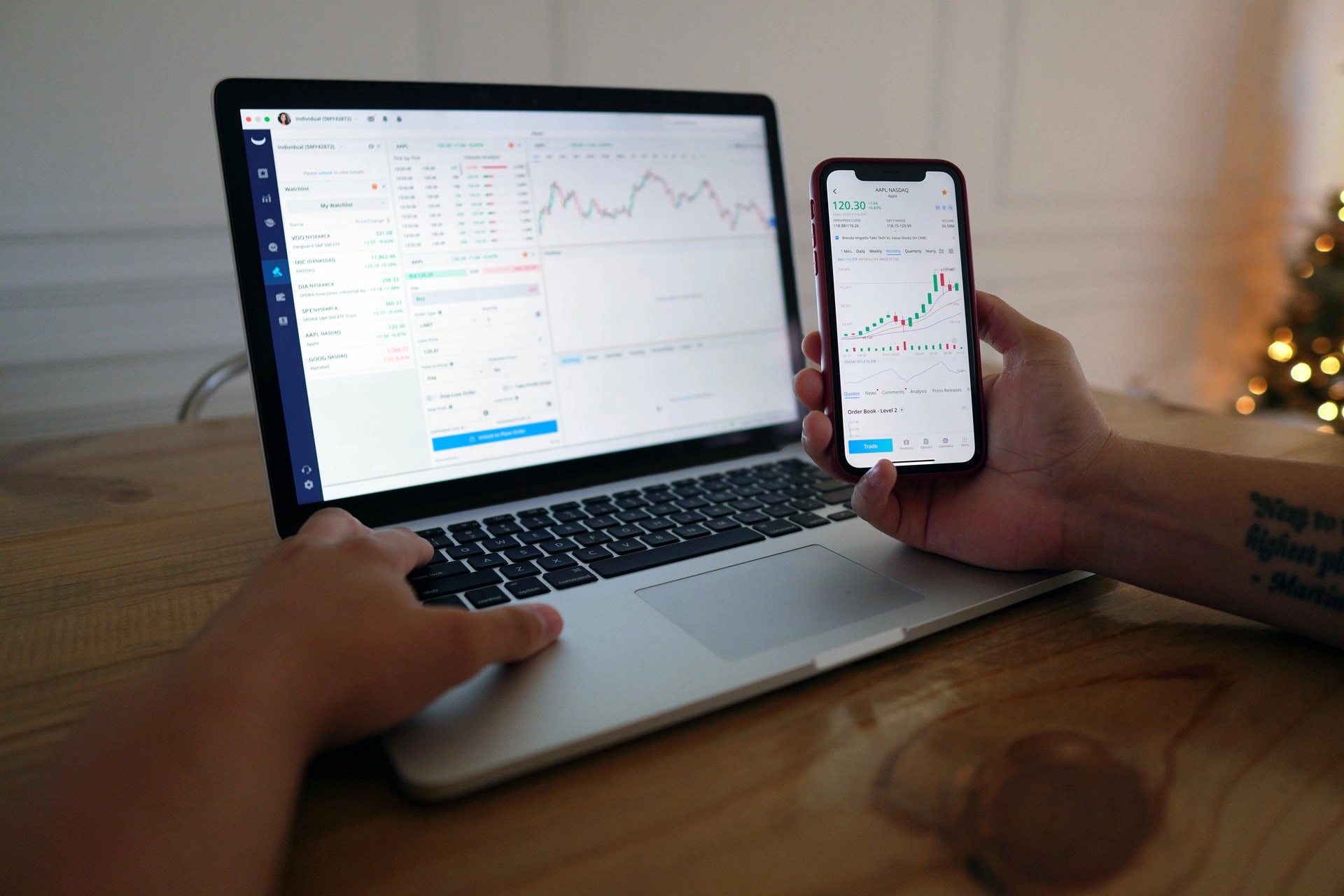
Image source: StockGeist
Interactive sentiment distribution plots separate emotional reactions from purely informational content, providing traders with a clearer picture of market psychology. Word cloud features distill the most frequently discussed topics and concerns, offering instant insights into what’s driving conversation around specific stocks.
Perhaps most valuable is the integration of sentiment data with traditional market fundamentals. These platforms combine sentiment analysis with standard metrics like market capitalization, stock prices, and recent news developments, creating a more comprehensive view of investment opportunities.
The Practical Application
For short-term traders, sentiment analysis provides early warning signals about potential price movements. When social media sentiment shifts dramatically around a particular stock, it often signals that significant price action may follow. Long-term investors can use sentiment data to identify optimal entry and exit points, particularly during periods of market volatility when emotions run high.
The technology also helps traders avoid the noise that typically accompanies major market events. Rather than scrolling through countless social media posts and news articles, sentiment analysis platforms aggregate and interpret this information, presenting clear, actionable data within minutes of developments.
Looking Forward
As markets become increasingly influenced by retail investor participation and social media discussions, the importance of sentiment analysis continues to grow. The integration of artificial intelligence with real-time data processing has made sophisticated sentiment analysis accessible to individual traders, not just institutional investors.
The most successful traders in 2025 recognize that understanding market psychology is no longer optional – it’s essential. By combining traditional fundamental analysis with modern sentiment tracking, investors can develop more nuanced strategies that account for both rational market forces and the powerful influence of collective emotion.
In an era where information travels at unprecedented speed and market sentiment can shift within minutes, the ability to quickly interpret and act on crowd psychology has become a defining characteristic of successful trading strategies.
Sources: StockGeist