Key Takeaways
-
Brand social signals now influence visibility inside AI search systems, social discovery engines, and agent-driven research tools.
-
Social platforms function as research layers, not engagement feeds, making brand presence inside conversations more valuable than website visits.
-
Mentions, creator validation, community discussion, and structured social data shape trust for both humans and AI systems.
-
Enterprise visibility increasingly depends on being referenced during research stages rather than clicked during conversion stages.
-
Social signals connect identity, intent, and authority across owned channels, generative engines, and social commerce systems.
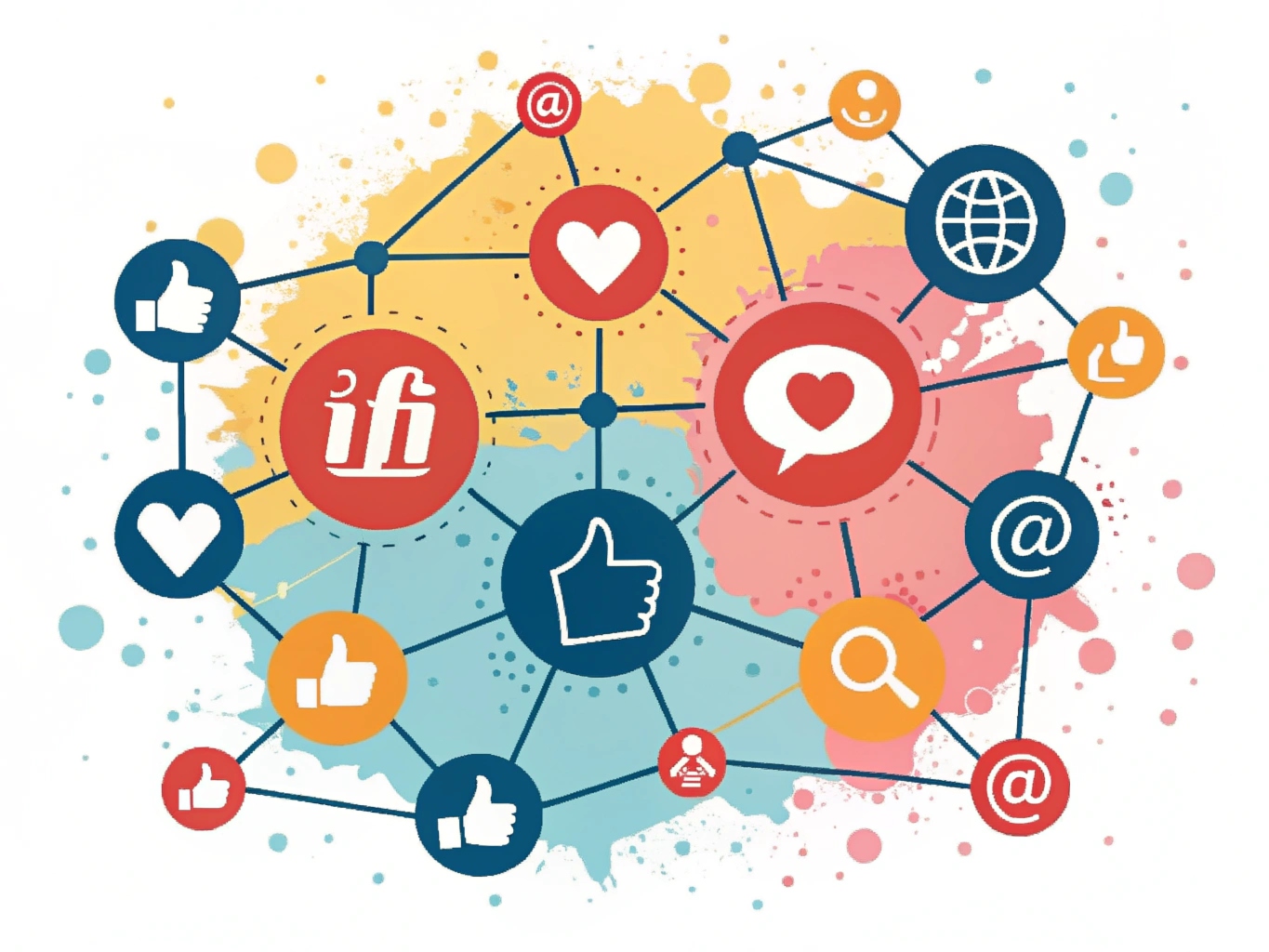
Brand social signals – artistic interpretation. Image credit: Alius Noreika / AI
Why Brand Social Signals Define Visibility in 2026
Brand social signals have become a primary factor in enterprise visibility because discovery no longer starts on a website or even a search engine. In 2026, discovery begins inside social platforms, AI assistants, and agent-driven research tools that interpret conversations, references, and community trust signals long before a user reaches a conversion point.
For enterprises, visibility is now determined by whether a brand appears consistently across social search results, creator content, community discussions, and AI-generated answers. These environments do not rely on traditional ranking alone. They rely on signals that indicate relevance, credibility, and usefulness at the moment a question is asked.
Social signals matter because they feed the systems that now guide decisions. AI models learn from public discourse, creator explanations, structured social content, and recurring brand mentions. When these signals are absent, even strong legacy SEO assets struggle to surface during early research stages. When they are present, brands gain reach across human and machine-driven discovery at the same time.
Social Platforms as Research Infrastructure
Social media in 2026 operates as a distributed research engine. Users search TikTok, YouTube, Reddit, Instagram, and LinkedIn to compare products, evaluate vendors, and validate claims without leaving the platform. This behavior has shifted social content from promotional messaging toward decision support.
For enterprises, this change elevates the value of social signals tied to real questions and real use cases. Posts, videos, comment threads, and creator explanations act as reference points that platforms and AI systems surface repeatedly. Visibility comes from relevance to intent, not from frequency of posting or follower volume.
AI-driven discovery systems assess clarity, topical consistency, and usefulness. Content that answers specific questions using direct language is more likely to be indexed, recalled, and reused by these systems. Social signals embedded in that content, such as sustained discussion, expert creator involvement, and consistent terminology, strengthen its authority.
Brand Mentions as Trust Signals for AI Systems

Using internet web services. Image credit: Christing Hume via Unsplash, free license
Generative AI systems increasingly control the top and middle stages of the buyer journey. Research from Seer Interactive shows that being cited inside AI-generated answers increases downstream engagement, even as overall click volume declines. Siege Media’s multi-year data analysis reinforces this shift, showing that users arrive later in the journey but with higher intent.
In this environment, brand mentions operate as trust signals. AI systems prioritize entities that appear frequently and consistently across credible sources. Social platforms are a major input layer because they reflect active discussion, expert validation, and real-world usage.
When a brand appears in creator walkthroughs, comparison videos, Reddit discussions, and social search results using consistent language and positioning, it becomes easier for AI systems to identify it as a reliable option. These mentions influence which brands are named when users ask AI tools for recommendations, shortlists, or comparisons.
How Social Signals Connect Identity and Intent
Modern marketing infrastructure relies on identity resolution and behavioral context. Social platforms contribute to this by linking content consumption, interaction patterns, and expressed intent. When social signals connect to owned channels, enterprises gain continuity across the customer journey.
Agentic AI systems use these signals to adjust messaging and recommendations in real time. Social content that demonstrates clear use cases, transparent pricing discussions, and problem-specific explanations feeds these systems with high-confidence inputs.
This continuity replaces static persona models with live behavioral interpretation. Brands that maintain consistent social narratives across platforms make it easier for AI-driven orchestration layers to recognize intent and recommend appropriate actions.
Enterprise Social Signals Across Discovery Layers
The role of social signals differs depending on where discovery happens, but their influence remains consistent across systems.
| Discovery Layer | Role of Brand Social Signals | Enterprise Impact |
|---|---|---|
| Social Search | Matches content to user questions and language | Increases discovery without paid reach |
| Creator Content | Provides third-party validation and explanation | Builds credibility at scale |
| Generative AI | Supplies reference material for answers | Drives inclusion in AI recommendations |
| Owned Channels | Reinforces identity and continuity | Improves orchestration accuracy |
| Social Commerce | Shortens path from research to purchase | Reduces friction in conversion |
This layered effect means social signals no longer belong to a single channel strategy. They operate as connective tissue across visibility systems.
Creators and Communities as Authority Layers

Creating business slides – artistic impression. Image credit: Slidebean via Unsplash, free license
Trust in 2026 flows through people, not corporate messaging. Creators act as interpreters who translate enterprise offerings into practical guidance. Their content often ranks higher in social search and performs better inside AI-driven discovery systems because it mirrors how users ask questions.
For enterprises, the value lies in sustained collaboration rather than campaign-based promotion. When creators repeatedly reference a brand while explaining workflows, comparisons, or outcomes, those references compound over time. They become part of the informational environment AI systems learn from.
Communities function similarly. Comment threads, long-form discussions, and shared experiences provide depth that algorithms recognize as meaningful engagement. These interactions create durable social signals that extend far beyond surface metrics.
Social Signals and the Shift Away from Click-Based Visibility
As AI agents begin executing tasks directly, including comparisons and transactions, traditional click metrics lose explanatory power. Research cited from Pew and observed across generative platforms shows reduced click-through rates alongside stable or higher conversion intent.
In this context, social signals gain importance because they influence selection before execution. The decision moment happens inside conversational interfaces where brands are chosen based on prior exposure, mentions, and perceived trust.
Enterprises that invest only in bottom-of-funnel assets risk invisibility during these selection moments. Social signals generated earlier in the journey shape which brands are remembered and recommended when action occurs.
Building Enterprise-Grade Social Signals in 2026
Effective social signals are deliberate, structured, and consistent. They emerge from content designed to answer questions, creators empowered to explain honestly, and communities encouraged to share real experiences.
AI-assisted workflows support scale, but human oversight ensures clarity and relevance. The strongest signals come from alignment between brand voice, creator narratives, and user language across platforms.
Enterprises that treat social content as research material rather than promotion create assets that remain discoverable, referenceable, and trusted over time.
Why Social Signals Are Now a Visibility Requirement
Brand social signals are no longer optional indicators of popularity. In 2026, they function as inputs for discovery systems that determine which enterprises appear during research, evaluation, and recommendation stages.
Visibility depends on being present where questions are asked, where explanations are shared, and where trust is built publicly. Social platforms, creators, and AI systems now form a single ecosystem, and social signals are the common currency that connects them.
Enterprises that recognize this shift and invest accordingly secure visibility that persists even as interfaces, algorithms, and user behaviors continue to change.
If you are interested in this topic, we suggest you check our articles:
- Social Media Shows You Only What You Want To See – Why?!
- Social media and AI: are we just being tracked or are we also simulated?
- 5 Ways AI Marketing Can Help Grow Your Brand
Sources: Forbes, Think Little Big, Search Engine Land, Yoast
Written by Alius Noreika