Artificial intelligence (AI) capabilities extend across vast horizons. Among them is farming, which AI is significantly transforming. By leveraging AI, farmers can make data-driven decisions that enhance efficiency. In this article, we will explore how AI is being integrated into agriculture.
Top 10 AI Integrations in Agriculture
The global AI market in agriculture was valued at approximately $1.7 billion in 2023, indicating that AI solutions are already being actively implemented.
AI can benefit farming professionals in the following areas:
Farm Condition Analysis
AI tools can analyse crops, soil, and weather conditions to assess their overall health. By utilizing sensors and image data, these tools monitor moisture levels and nutrient content.
With such detailed analysis, farmers can track soil conditions in real time and make informed decisions, such as applying fertilizers or adjusting irrigation levels. This also ensures more efficient use of resources, optimizing water and nutrient expenditures.
Crop Disease Detection
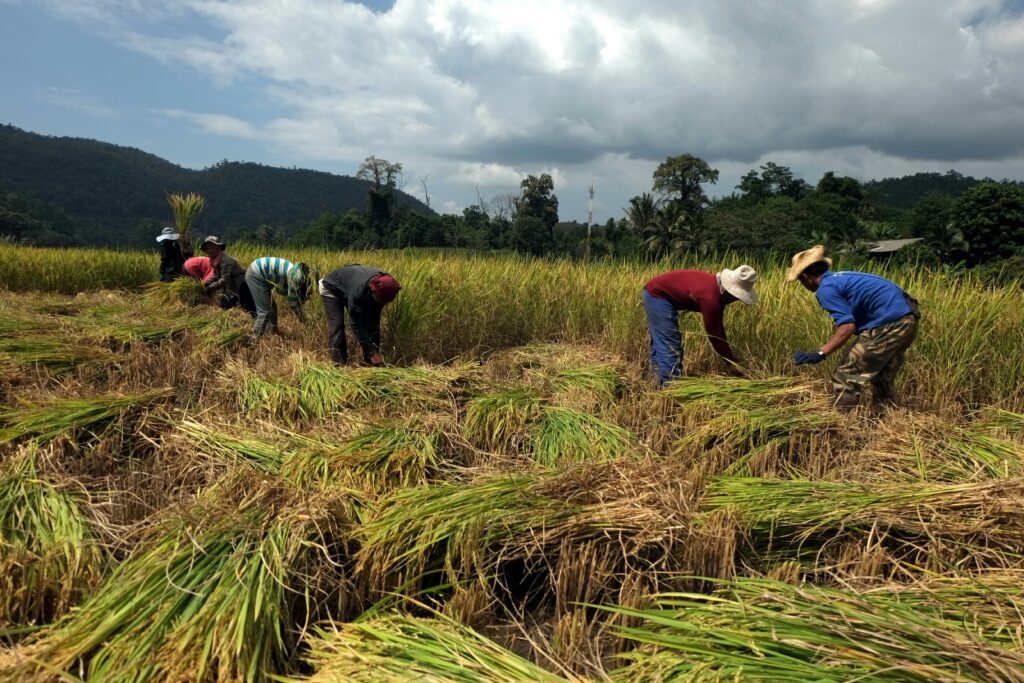
AI-powered tools can detect various threats, including plant diseases and pests, helping prevent large-scale crop failures. Research indicates that AI solutions achieve high accuracy in identifying disease outbreaks early.
Autonomous Machinery
The concept of smart farming includes AI-driven autonomous agricultural machinery, such as self-driving tractors and robotic harvesters. These innovations improve agriculture efficiency, reduce labour requirements, and enhance precision.
Autonomous tools also assist in crop planting. Automated solutions execute planting tasks with algorithmic precision, minimizing material waste.
Livestock Management
AI plays a crucial role in livestock management by providing real-time updates on animal health and identifying potential risks.
In the dairy industry, smart technology can analyse milk samples to assess an animal’s health condition.
Sustainability
AI-driven automation promotes sustainability by optimizing farming processes. Smart solutions enable farmers to maintain soil fertility through continuous monitoring while also reducing pollution and preserving biodiversity.
Weed Control
AI-powered weed control systems handle the tedious task of weed removal. Traditional methods, such as manual labour or chemical herbicides, are time-consuming and potentially harmful. AI systems use machine learning and computer vision to distinguish crops from weeds with precision.
Irrigation Systems
AI technology can manage water resources efficiently. By analysing data, AI algorithms predict moisture levels and adjust irrigation dynamically based on real-time needs.
Drone Farm Surveillance
Advanced AI-powered drones, equipped with computer vision, can cover vast farming areas, identifying threats in real time and alerting farmers. If AI systems are advanced enough, they can even take corrective actions autonomously.
Resource Management
AI-driven systems accurately predict demand for various agricultural resources, improving supply chain efficiency. Farmers can rely on data to make informed procurement decisions.
Laser Technology in Farming
Lasers are increasingly being used in soil management, particularly for weed control. This cutting-edge solution eliminates the need for chemical herbicides, making farming more environmentally friendly.
Final Thoughts
Farming is a dynamic and multifaceted industry, and AI solutions provide significant benefits to farmers. As AI continues to evolve, we can expect further advancements in agricultural automation, robotics, and efficiency.
If you are interested in this topic, we suggest you check our articles:
Sources: Agricultural Recruitment Specialists, BasicAI, Fox News, Statista